Homemade Pesto Sauce
Why Make This Recipe
Homemade Pesto Sauce is a flavorful and versatile sauce that brings a fresh burst of taste to any dish. Making your own pesto allows you to control the ingredients, ensuring quality and flavor. Plus, with just a few simple ingredients, you can whip up this quick sauce that shines in pastas, sandwiches, salads, and more. Homemade pesto also makes for a wonderful gift, showcasing your culinary skills. By making it yourself, you can avoid the preservatives and fillers often found in store-bought versions.
Pesto is not just a sauce; it’s an experience. The vibrant green color and aromatic fragrance of fresh basil can transport you to an Italian herb garden. Using fresh herbs is key to achieving that authentic taste. When you blend fresh basil with garlic, cheese, olive oil, and nuts, you create a sauce that’s rich in flavor and packed with nutrients. Whether you’re a busy parent, a meal-prepping enthusiast, or just someone who loves to cook, this recipe is perfect for adding a quick yet gourmet touch to your meals.
How to Make Homemade Pesto Sauce
Creating your own Homemade Pesto Sauce is simple and requires minimal hands-on time. The beauty of this recipe lies in its flexibility and ease. Here, we guide you through the steps to make a vibrant pesto that you can enjoy over your favorite dishes. Let’s get started!
Ingredients:
- 2 cups fresh basil leaves
- 1/2 cup Parmigiano-Reggiano cheese, grated
- 1/2 cup olive oil
- 1/4 cup pine nuts (optional)
- 2 cloves garlic
- Salt and pepper to taste
- Splash of cream
This simple list of ingredients will yield a delicious batch of pesto that can elevate an ordinary meal into something special.
Directions:
-
Prepare Your Ingredients: Start by washing the fresh basil leaves thoroughly to remove any dirt or grit. Once cleaned, gently pat them dry with a clean kitchen towel or paper towel to remove excess moisture.
-
Combine in Food Processor: In a food processor, add the fresh basil leaves, grated Parmigiano-Reggiano cheese, pine nuts (if you are using them), and cloves of garlic.
-
Pulse Until Chopped: Secure the lid on your food processor and pulse the mixture until all ingredients are finely chopped. You want a nice consistency, not too chunky or too smooth at this point.
-
Add Olive Oil: With the food processor running, slowly drizzle in the olive oil. This will help emulsify the sauce and create a smooth texture. Keep blending until everything is fully combined.
-
Season: Turn off the processor and scrape down the sides with a spatula. Add salt and pepper to taste. This will enhance the flavors of the pesto and bring everything together.
-
Add Cream: For a touch of creaminess, add a splash of cream to the mixture. This is optional but recommended if you prefer a velvety finish. Blend again until the mixture is smooth and creamy.
-
Taste and Adjust: Before you finish, taste your pesto and adjust the seasoning if necessary. If you feel it needs more garlic, cheese, or salt, this is the time to make those adjustments.
-
Use or Store: Your Homemade Pesto Sauce is now ready to be enjoyed! You can use it right away with pasta or other dishes, or store it in an airtight container in the refrigerator.
How to Serve Homemade Pesto Sauce
Homemade Pesto Sauce is incredibly versatile. Here are some delightful ways you can serve it:
-
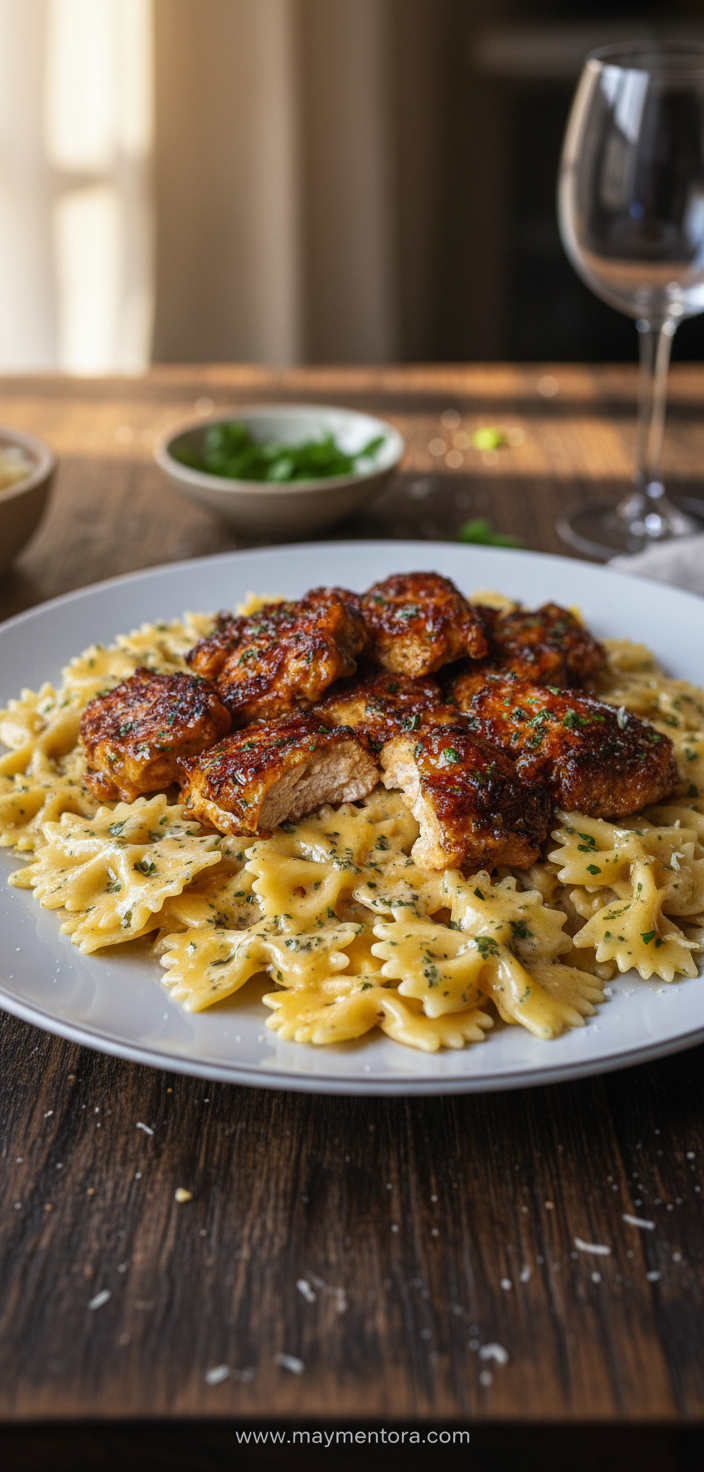
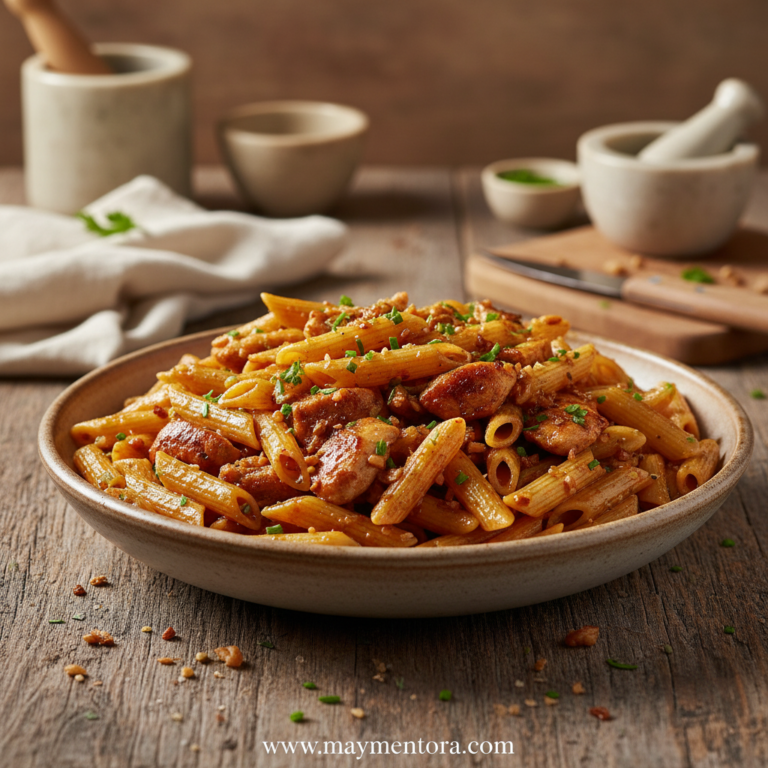
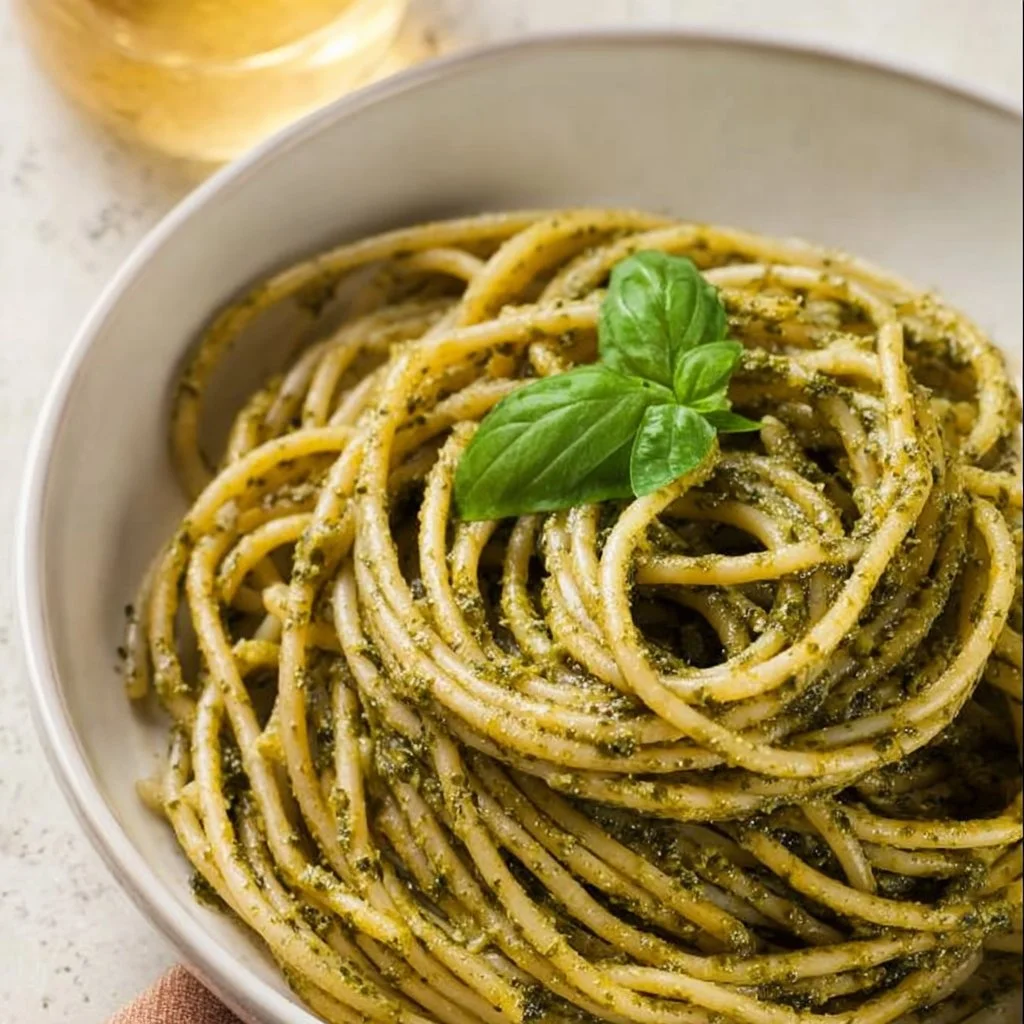
Pasta: Toss freshly cooked pasta with pesto for a quick and satisfying meal. It pairs well with spaghetti, penne, or even zoodles for a healthier option.
-
Pizza: Use pesto as a base sauce instead of tomato sauce on your homemade pizza. Top with mozzarella and your favorite toppings for an herb-infused delight.
-
Sandwiches: Spread pesto on sandwiches or wraps for an extra layer of flavor. It’s especially delicious with turkey, chicken, or fresh mozzarella.
-
Vegetables: Drizzle pesto over roasted or steamed vegetables to add a pop of flavor. It can also serve as a dipping sauce for fresh veggies.
-
Soups: Stir a spoonful of pesto into soups for added richness. It goes great with minestrone or a simple vegetable soup.
-
Salads: Mix pesto with vinaigrette for a zesty salad dressing, or use it as a topping for grilled chicken salads.
How to Store Homemade Pesto Sauce
If you find yourself with more pesto than you can use, don’t worry! Here’s how to store it properly:
-
Refrigerator: Store your pesto in an airtight container. It will keep well in the refrigerator for up to a week. To preserve its bright color, you can add a thin layer of olive oil on top before sealing the container.
-
Freezing: For longer storage, you can freeze pesto for up to three months. Consider pouring the pesto into an ice cube tray for easy portioning. Once frozen, transfer the cubes to a zipped plastic bag and store in the freezer. This way, you can take out just the amount you need for quick meals.
-
Thawing: When you’re ready to use frozen pesto, simply take out a cube and let it thaw in the refrigerator or at room temperature. You can also place it directly in a warm pot over low heat to speed up the process.
Tips to Make Homemade Pesto Sauce
To ensure that your Homemade Pesto Sauce turns out perfectly, here are some handy tips:
-
Use Fresh Ingredients: The quality of your basil and olive oil greatly impacts the final flavor. Opt for fresh, vibrant basil leaves and high-quality extra virgin olive oil.
-
Adjust Consistency: If your pesto is too thick, add a bit more olive oil or a small splash of water until you reach the desired consistency.
-
Experiment with Nuts: While pine nuts are traditional, feel free to substitute them with walnuts, sunflower seeds, or even cashews for a different flavor profile.
-
Add More Cheese: If you love cheesy pesto, don’t hesitate to throw in extra grated cheese. It adds flavor and creaminess.
-
Freshness Is Key: Use your pesto within a week for the best taste, as fresh basil tends to lose flavor over time.
Variation
If you’re looking to switch things up, here are a few variations of the classic pesto recipe:
-
Sun-Dried Tomato Pesto: Add sun-dried tomatoes into the mix for a richer and slightly tangy version of pesto. This variation pairs well with pasta and sandwiches.
-
Arugula Pesto: Substitute half of the basil with arugula for a peppery twist. This variation offers a different flavor profile, perfect for salads and dressings.
-
Spinach and Basil Pesto: Mixing in spinach can increase the nutritional value and make the pesto milder and creamier. It’s a great option for kids who may be hesitant about strong basil flavors.
-
Vegan Pesto: Skip the cheese or use a plant-based alternative to make a vegan version of pesto. Nutritional yeast can add a cheesy flavor without dairy.
FAQs
1. How can I make my pesto more flavorful?
You can enhance the flavor by using freshly grated cheese, adding more garlic, or incorporating ingredients like lemon juice or zest for brightness. Another option is to roast the garlic before adding it to the pesto for a sweeter, mellower flavor.
2. Can I use dried basil instead of fresh?
While you can technically use dried basil, it won’t yield the same fresh flavor as using fresh leaves. For the best results, always opt for fresh basil in this recipe.
3. Is pesto gluten-free?
Yes, homemade pesto is gluten-free as it does not contain any grains. However, always check the labels of store-bought versions and any accompanying dishes to ensure they are also gluten-free.
4. How do I fix a bitter pesto?
If your pesto tastes bitter, it’s likely due to over-processing the basil or using overly mature leaves. You can try adding a little more cheese, nut, or a splash of cream to balance out the flavor.
5. How long does homemade pesto last?
When stored in an airtight container in the refrigerator, homemade pesto will last about one week. For longer storage, freezing is a better option, allowing for up to three months of shelf life.
With this simple recipe for Homemade Pesto Sauce, you can easily enhance your meals with fresh flavors. Go ahead, gather your ingredients, and start blending your way to a delicious homemade treat!
PrintHomemade Pesto Sauce
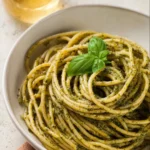
A flavorful and versatile homemade pesto sauce that adds a fresh burst of taste to any dish.
- Prep Time: 10 minutes
- Cook Time: 0 minutes
- Total Time: 10 minutes
- Yield: 4 servings 1x
- Category: Sauce
- Method: Blending
- Cuisine: Italian
- Diet: Vegetarian
Ingredients
- 2 cups fresh basil leaves
- 1/2 cup Parmigiano-Reggiano cheese, grated
- 1/2 cup olive oil
- 1/4 cup pine nuts (optional)
- 2 cloves garlic
- Salt and pepper to taste
- Splash of cream
Instructions
- Wash the fresh basil leaves thoroughly and pat them dry.
- In a food processor, add the basil leaves, cheese, pine nuts (optional), and garlic.
- Pulse until finely chopped.
- With the processor running, slowly drizzle in the olive oil until fully combined.
- Add salt and pepper, then mix again.
- Add a splash of cream for creaminess and blend until smooth.
- Taste and adjust seasoning as necessary.
- Use immediately or store in an airtight container in the refrigerator.
Notes
Pesto can be frozen in ice cube trays for easy portioning. Fresh basil loses flavor over time, so use it within a week for best taste.
Nutrition
- Serving Size: 1/4 cup
- Calories: 200
- Sugar: 1g
- Sodium: 200mg
- Fat: 20g
- Saturated Fat: 3g
- Unsaturated Fat: 16g
- Trans Fat: 0g
- Carbohydrates: 5g
- Fiber: 1g
- Protein: 5g
- Cholesterol: 10mg