
Homemade Pesto Sauce
Homemade Pesto Sauce
***
introduction
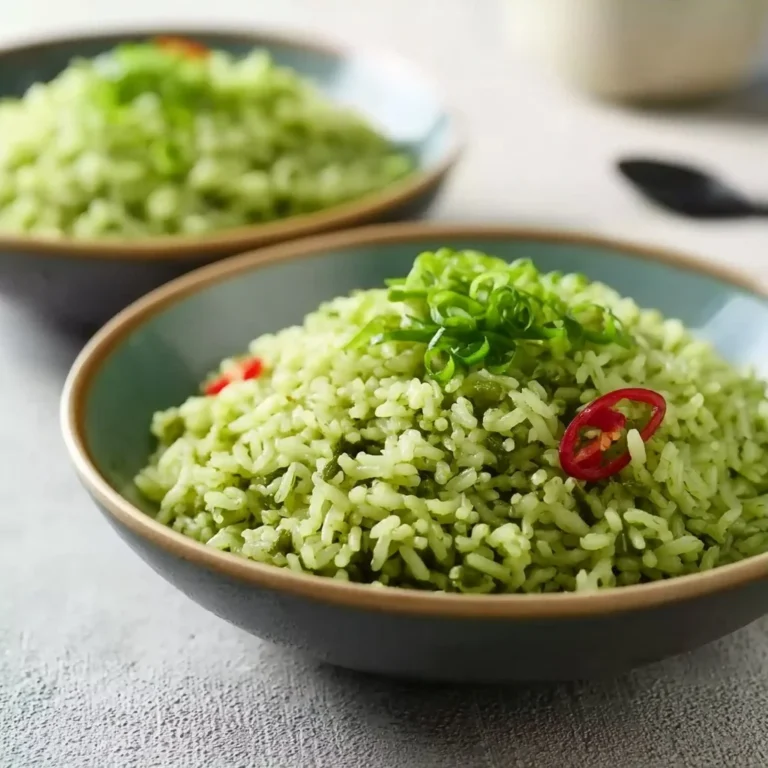
Homemade pesto sauce is a versatile and delicious addition to many dishes. It is a vibrant green sauce made primarily from fresh basil leaves, garlic, Parmesan cheese, and olive oil. This simple recipe brings together herbs and flavors that are sure to brighten up any meal. Pesto is not only easy to make, but it also offers a fresh taste that is far superior to store-bought versions. Each ingredient plays a significant role in creating a sauce that pairs beautifully with pasta, sandwiches, and even salads.
why make this recipe
Making homemade pesto sauce is worth the effort for several reasons. First and foremost, it allows you to control the quality and freshness of the ingredients. Fresh basil offers a bright and bold flavor that dried herbs simply cannot match. By making pesto from scratch, you can choose the best basil, garlic, and cheese to suit your taste.
Additionally, homemade pesto is free from preservatives and unnecessary additives commonly found in store-bought sauces. With just a few simple ingredients, you can whip up a sauce that is both delicious and healthy. This recipe is also adaptable, allowing you to tweak the ingredients to suit your dietary needs or flavor preferences. Finally, making pesto is quick and straightforward, so you can have a fresh and tasty sauce ready in just a few minutes.
how to make Homemade Pesto Sauce
Creating homemade pesto sauce is straightforward. Here’s what you need to make this flavorful delight.
Ingredients:
- 2 cups fresh basil leaves
- 1/2 cup Parmigiano-Reggiano, grated
- 1/2 cup olive oil
- 1/4 cup heavy cream
- 2 cloves garlic, minced
- Salt and pepper to taste
Directions:
-
Combine Ingredients: Begin by placing the fresh basil leaves, grated Parmigiano-Reggiano, minced garlic, salt, and pepper into a food processor. This combination of ingredients lays the foundation for a rich and flavorful pesto.
-
Pulse: Pulse the mixture in the food processor until it’s finely chopped. Doing this step allows the flavors to meld and ensures that your pesto has a smooth consistency.
-
Add Olive Oil: With the processor running, slowly drizzle in the olive oil. This will help create a smooth texture. The olive oil adds richness and helps to bind all the ingredients together.
-
Stir in Heavy Cream: Once the mixture is smooth, stop the processor and stir in the heavy cream. This addition is optional, but it gives the pesto a creamy texture that is delightful. Ensure that the cream is fully incorporated.
-
Serve: Toss the pesto with cooked pasta to coat it evenly, or use it as a sauce for other dishes.
how to serve Homemade Pesto Sauce
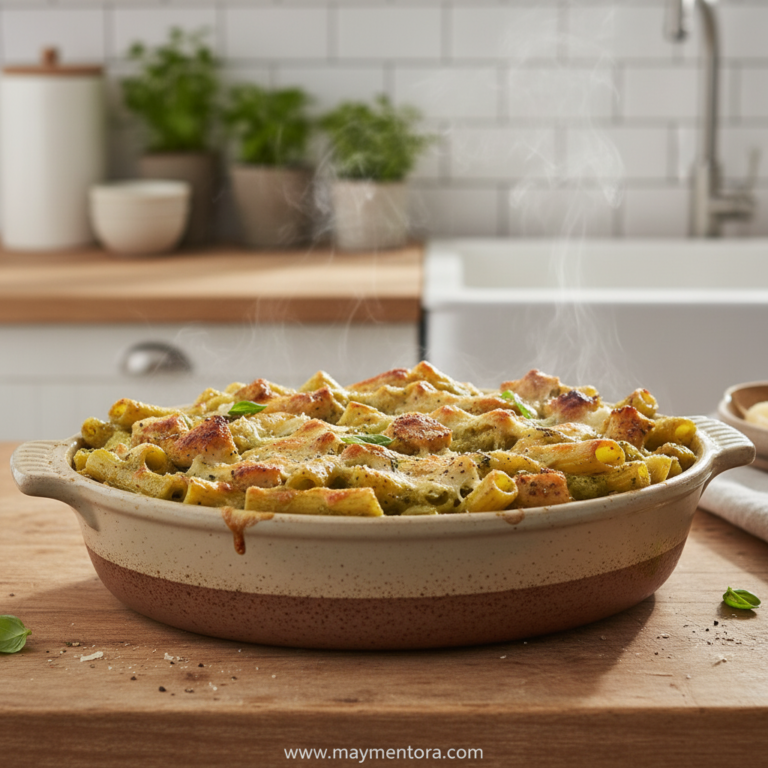
Homemade pesto sauce is incredibly versatile and can be served in various ways. One of the most common methods is to toss it with your favorite cooked pasta, creating a quick and satisfying meal. Simply boil your pasta, drain it, and reserve a bit of the pasta water to help the sauce adhere.
Once the pasta is cooked, mix in the pesto. If the sauce is too thick, add a splash of reserved pasta water until you reach the desired consistency. You can sprinkle some extra grated Parmigiano-Reggiano on top for added flavor.
Pesto can also serve as a flavorful dressing for salads. Drizzle it over a green salad or use it as a base for a pasta salad alongside fresh vegetables. Furthermore, you can spread pesto on sandwiches or wraps, adding a burst of flavor that elevates any meal. Another great idea is to use pesto as a dip with crackers or bread at parties.
how to store Homemade Pesto Sauce
To store homemade pesto sauce, you have a few options. First, it’s best stored in an airtight container in the refrigerator for up to one week. If you plan to keep it for a longer period, consider freezing the pesto.
To freeze, pour the pesto into ice cube trays and freeze it until solid. Once frozen, transfer the pesto cubes into a resealable plastic bag or an airtight container. This allows you to thaw just the amount you need later on. Frozen pesto can last up to three months in the freezer without significant loss of flavor.
Whenever you want to use the frozen pesto, simply take out the desired number of cubes and let them thaw in the refrigerator overnight or warm them gently in a pan over low heat.
tips to make Homemade Pesto Sauce
-
Quality Ingredients: Start with high-quality, fresh ingredients. The base of your pesto is the basil, so using organic fresh basil can enhance the flavor significantly.
-
Adjust the Cheese: If you have trouble finding Parmigiano-Reggiano, you can substitute it with Pecorino Romano or even a vegan alternative if you’re following a plant-based diet.
-
Experiment with Nuts: Traditional pesto often includes pine nuts, but feel free to substitute them with walnuts, almonds, or pecans if you prefer.
-
Garlic: If you prefer a milder garlic flavor, you can roast the garlic beforehand or use fewer cloves. Roasting mellows the sharpness, giving a sweet and nutty flavor.
-
Add Citrus: Adding a squeeze of lemon juice can brighten the flavors and help preserve the green color of the pesto.
variation
There are many variations to the traditional pesto recipe. Here are a few ideas to try:
-
Spinach Pesto: For a milder flavor, blend fresh spinach with basil to create a spinach and basil pesto. This adds a vibrant green color while boosting the nutritional content.
-
Sun-Dried Tomato Pesto: Replace the basil with sun-dried tomatoes for a tangy version of pesto. This version works beautifully on sandwiches and pasta.
-
Arugula Pesto: Swap out the basil for arugula to get a peppery twist. This makes for a unique sauce that can enhance salads or grilled meats.
-
Nut-Free Pesto: For those with nut allergies, simply omit the nuts and add more cheese to keep the texture and flavor rich.
-
Vegan Pesto: For a vegan adaptation, replace the cheese with nutritional yeast and use extra-virgin olive oil as the base.
FAQs
1. Can I use dried basil instead of fresh?
While dried basil can be used in a pinch, it will not offer the same fresh flavor and vibrant color as fresh basil. For the best results, use fresh basil whenever possible.
2. Is pesto sauce gluten-free?
Yes, homemade pesto sauce is gluten-free as long as you ensure that the pasta or bread you serve it with is gluten-free.
3. Can I make pesto without a food processor?
Yes! You can make pesto with a mortar and pestle or finely chop all the ingredients by hand. It will take longer but can be a fun, rustic way to create the sauce.
4. Can I store leftover pesto?
Yes, leftover pesto can be stored in an airtight container in the refrigerator for up to one week or frozen in ice cube trays for longer storage.
5. What can I add to my pesto to give it some zing?
You can add a splash of lemon juice or a bit of red pepper flakes to give your pesto an extra kick. Experimenting with different flavors is always a fun idea!
With homemade pesto sauce, you have a fantastic addition to your culinary repertoire. Enjoy the freshness and flavor that this simple yet delightful recipe brings to your dining table. Whether you’re dressing pasta, creating sandwiches, or experimenting with other dishes, homemade pesto elevates your meals effortlessly. So grab some fresh basil, and get ready to create your very own homemade pesto sauce!
PrintHomemade Pesto Sauce

A versatile and vibrant green sauce made primarily from fresh basil, garlic, Parmesan cheese, and olive oil, perfect for pasta, sandwiches, and salads.
- Prep Time: 10 minutes
- Cook Time: 0 minutes
- Total Time: 10 minutes
- Yield: 4 servings 1x
- Category: Sauce
- Method: Blending
- Cuisine: Italian
- Diet: Vegetarian
Ingredients
- 2 cups fresh basil leaves
- 1/2 cup Parmigiano-Reggiano, grated
- 1/2 cup olive oil
- 1/4 cup heavy cream
- 2 cloves garlic, minced
- Salt and pepper to taste
Instructions
- Combine Ingredients: Place fresh basil leaves, grated Parmigiano-Reggiano, minced garlic, salt, and pepper in a food processor.
- Pulse: Pulse the mixture until finely chopped.
- Add Olive Oil: With the processor running, slowly drizzle in the olive oil until smooth.
- Stir in Heavy Cream: Stop the processor and stir in the heavy cream until fully incorporated.
- Serve: Toss with cooked pasta or use as a sauce for various dishes.
Notes
For a creamier texture, include heavy cream. Can be stored in an airtight container for up to one week in the fridge or frozen in ice cube trays for up to three months.
Nutrition
- Serving Size: 1 serving
- Calories: 250
- Sugar: 1g
- Sodium: 300mg
- Fat: 22g
- Saturated Fat: 5g
- Unsaturated Fat: 17g
- Trans Fat: 0g
- Carbohydrates: 3g
- Fiber: 1g
- Protein: 4g
- Cholesterol: 15mg