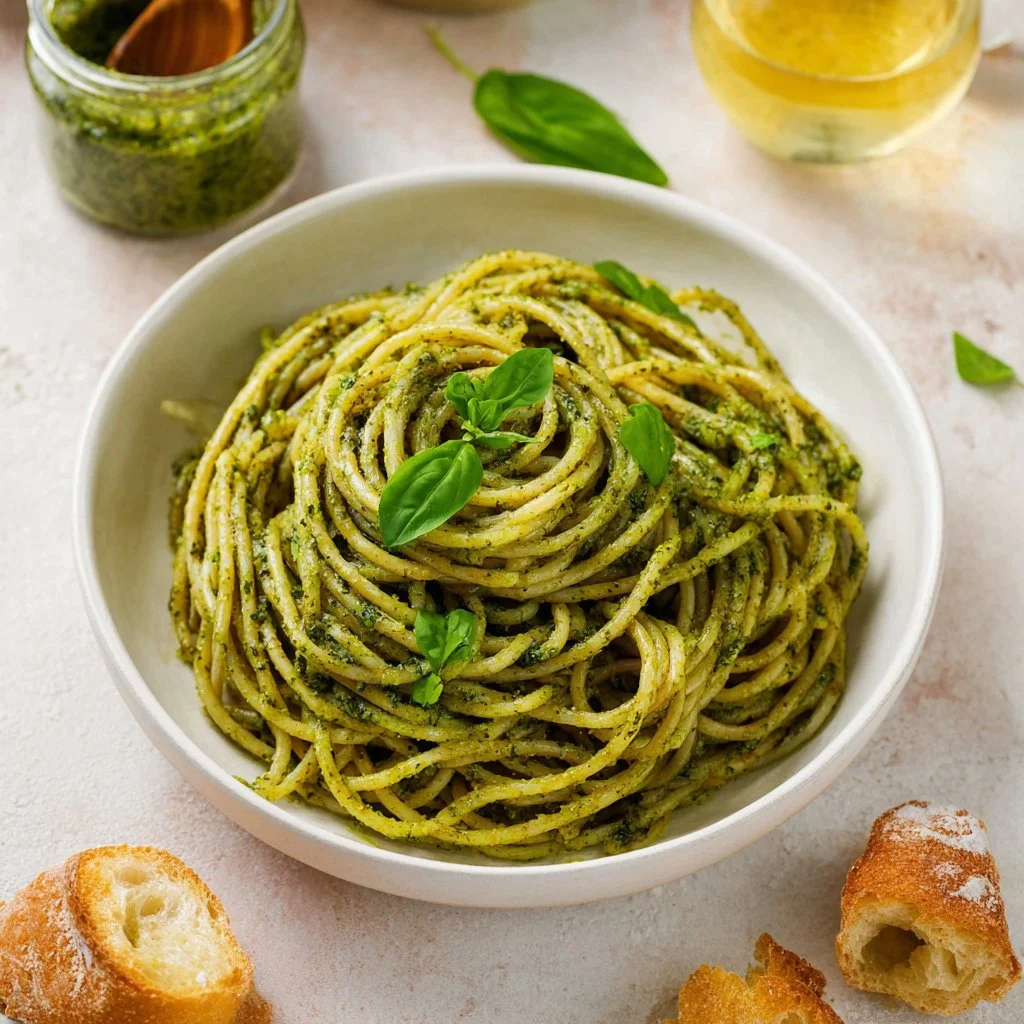
Homemade Pesto Sauce
Why Make This Recipe
Making homemade pesto sauce is not just about enhancing the flavor of your dishes; it’s also about celebrating fresh ingredients. Homemade pesto is vibrant, fragrant, and packed with nutrients. You control the quality of ingredients, ensuring your pesto is as wholesome as possible. Store-bought versions may contain preservatives, artificial flavors, or excess salt. By making your own, you can customize the flavor and texture to suit your preferences. Plus, it’s a fun and rewarding experience that allows you to engage with the process of cooking.
Another reason to make your own pesto is versatility. This sauce can elevate a simple pasta dish, serve as a spread for sandwiches, or even be drizzled over grilled vegetables or meats. The possibilities are endless. Whether you are cooking for yourself, a family gathering, or a special dinner party, homemade pesto adds a gourmet touch.
Finally, making homemade pesto can save you money in the long run. While pre-made sauces can be pricey, making your own requires only a few affordable ingredients that you may already have in your kitchen. Investing in fresh basil and a few pantry staples allows you to whip up delicious servings at fraction of the cost.
How to Make Homemade Pesto Sauce
Making homemade pesto sauce can be simple and quick, and you’ll enjoy the process as much as the final result. Here’s how you can do it.
Ingredients
To make a classic pesto sauce, you will need the following ingredients:
- 2 cups fresh basil leaves
- 1/2 cup grated Parmigiano-Reggiano cheese
- 1/2 cup olive oil
- 1/4 cup pine nuts
- 1-2 cloves garlic
- Salt and pepper to taste
- Splash of cream (optional)
Directions
-
Gather Your Ingredients: Start by collecting all the ingredients listed above. Having everything at hand will make the process smoother and quicker.
-
Prepare the Basil: Rinse the fresh basil leaves under cold water to remove any dirt. Pat the leaves dry with a clean towel or paper towel.
-
Combine Ingredients in Food Processor: In a food processor, combine about 2 cups of fresh basil leaves, 1/2 cup of grated Parmigiano-Reggiano cheese, 1/4 cup of pine nuts, and 1-2 cloves of garlic.
-
Pulse Until Finely Chopped: Pulse the food processor a few times until the mixture is finely chopped. Stop and scrape down the sides as needed to ensure everything is blended evenly.
-
Add Olive Oil: With the processor running, slowly add 1/2 cup of olive oil in a steady stream. This will help the mixture emulsify and create a smooth pesto.
-
Season to Taste: Taste your pesto and add salt and pepper according to your preference. Blend a bit more if needed to fully incorporate the seasonings.
-
Try a Splash of Cream: If you prefer a creamier texture, stir in a splash of cream at this point. This is optional but can add richness to your pesto.
-
Serve Over Pasta: Your homemade pesto is now ready! Serve it over your favorite cooked pasta, and enjoy the burst of flavors.
How to Serve Homemade Pesto Sauce
Homemade pesto sauce is incredibly versatile and can accompany many dishes. Here are some delicious ways to serve it:
-
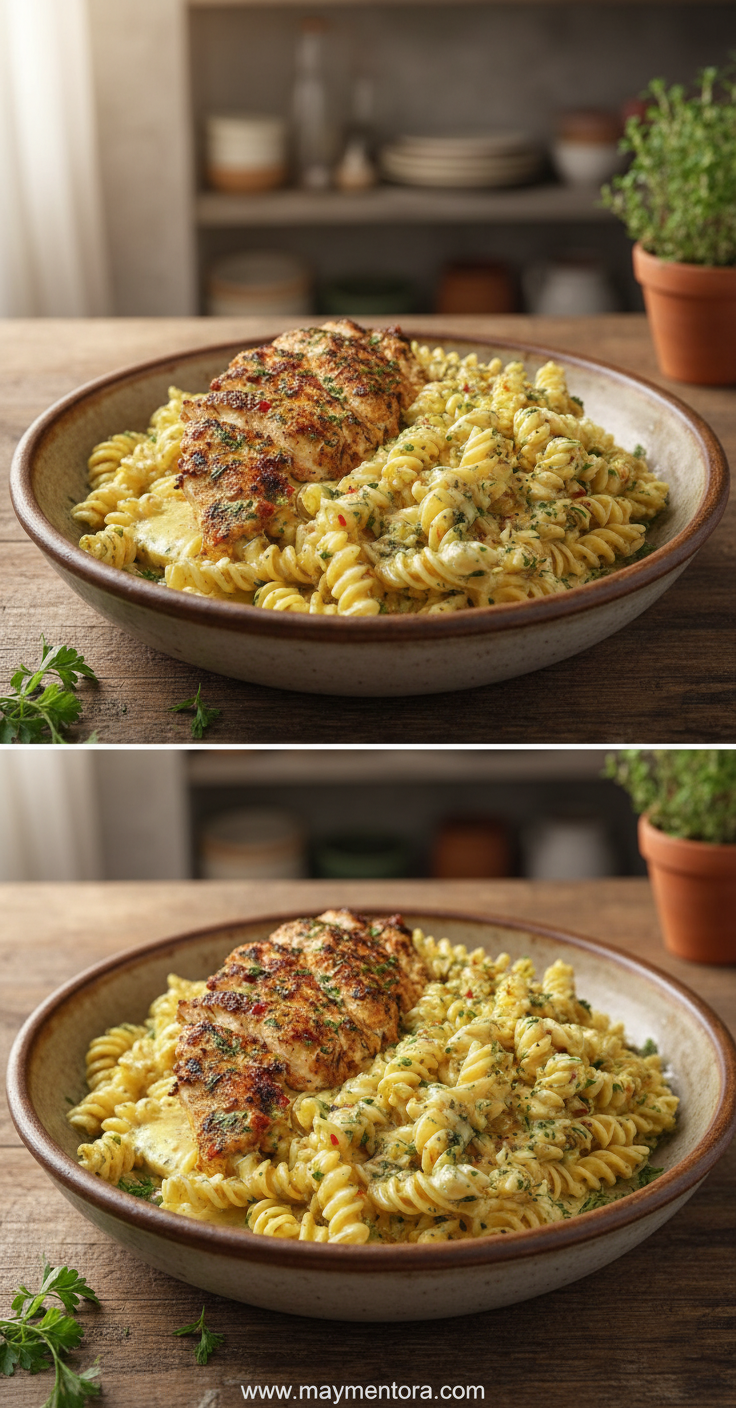
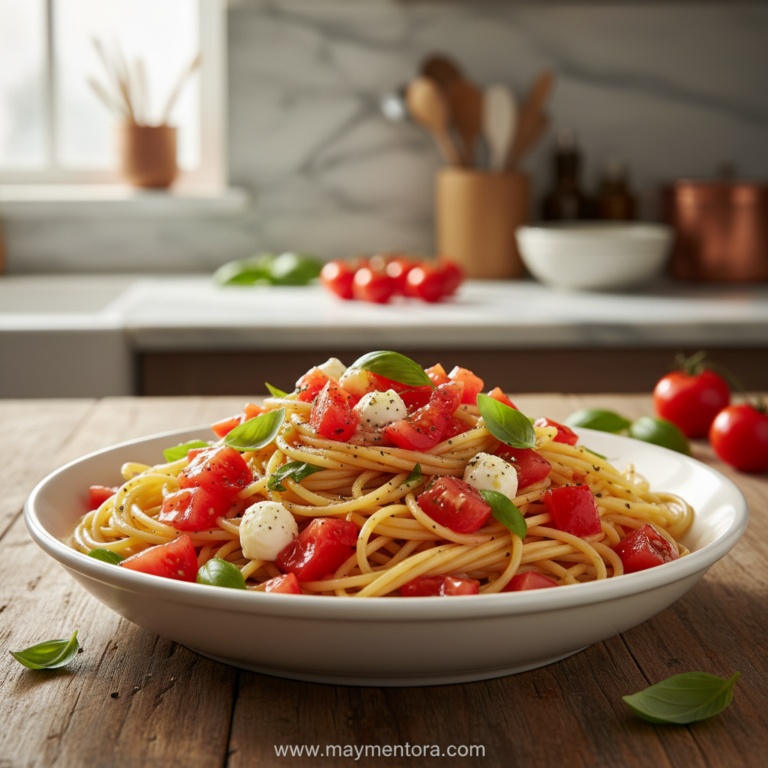
Pasta Dishes: The most common way to serve pesto is with pasta. Cook your pasta of choice, toss it with pesto, and top it with extra grated cheese if desired. This dish makes for a quick and satisfying meal.
-
Sandwich Spread: Spread pesto on bread as a flavorful alternative to mayonnaise. Add turkey, cheese, or vegetables for an amazing sandwich.
-
Drizzle Over Vegetables: Use pesto as a dressing for grilled or roasted vegetables. It adds a nice herby flavor to items such as zucchini, bell peppers, or asparagus.
-
Pizza Topping: Instead of traditional tomato sauce, use pesto as a base for a pizza. Top it with mozzarella cheese and your favorite toppings for a unique twist.
-
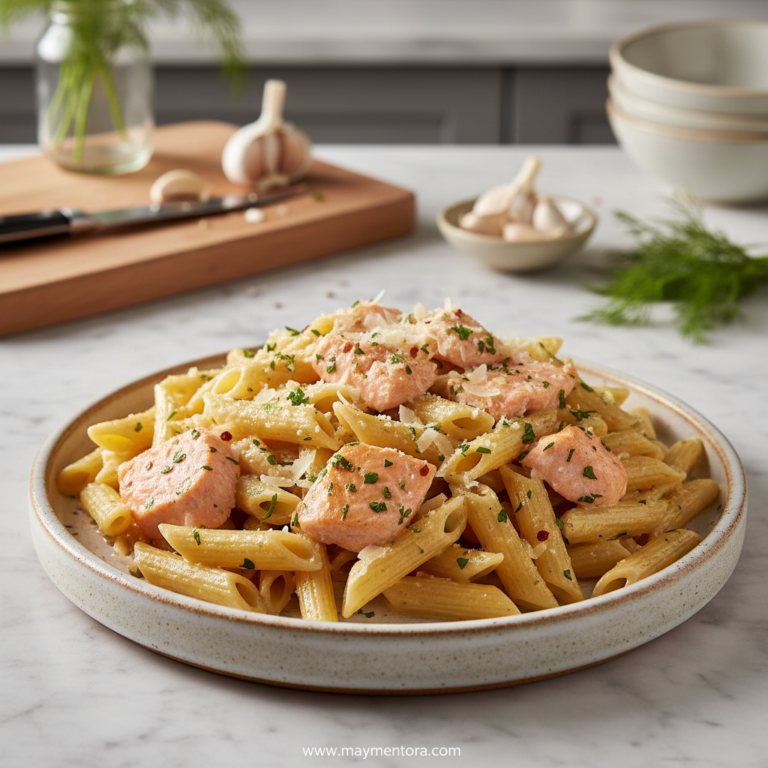
Seafood Pairing: Pesto also pairs beautifully with grilled fish or chicken. A drizzle over a baked or grilled salmon fillet makes for a tasty and elegant dish.
-
Soups and Stews: Add a spoonful of pesto to soups or stews for an extra layer of flavor. It works particularly well in vegetable or minestrone soup.
How to Store Homemade Pesto Sauce
Your homemade pesto sauce can store well if kept properly. Here’s how you can do it:
Short-Term Storage
- Refrigeration: Place your leftover pesto in an airtight container. It can be kept in the refrigerator for up to one week. To help it retain its vibrant green color, pour a thin layer of olive oil on top of the pesto before sealing the container.
Long-Term Storage
-
Freezing: If you want to keep your pesto for a longer period, consider freezing it. You can freeze pesto in ice cube trays. Once frozen, transfer the cubes into a freezer bag. This way, you can take out just the right amount of pesto whenever you need it. Pesto can last in the freezer for about three to six months.
-
Thawing: To use frozen pesto, simply thaw it in the refrigerator or at room temperature. It may need a good stir to recombine the ingredients after thawing.
Tips to Make Homemade Pesto Sauce
Here are some helpful tips to enhance your homemade pesto-making experience:
-
Use Fresh Ingredients: The fresher your ingredients, the better your pesto will taste. Always choose bright green basil leaves and fresh garlic for the best flavor.
-
Toast Pine Nuts: For an added depth of flavor, consider toasting the pine nuts in a dry skillet before adding them to the food processor. This enhances their nutty taste.
-
Experiment with Cheese: While Parmigiano-Reggiano is traditional, you can experiment with other hard cheeses like Pecorino Romano or Grana Padano for a different taste.
-
Play with Nuts: If you don’t have pine nuts, try using walnuts, almonds, or cashews. Each nut will impart a unique flavor to your pesto.
-
Adjust Consistency: If you prefer a thinner sauce, add more olive oil. For a thicker consistency, add a bit more cheese or nuts.
-
Add More Flavor: Consider incorporating lemon juice or zest for brightness, or even a bit of red pepper flakes for a spicy kick.
Variation
There are endless variations of pesto you can explore to keep things interesting:
-
Spinach Pesto: If you prefer a milder flavor, substitute half of the basil with fresh spinach leaves. This also increases the nutritional value of the pesto.
-
Kale Pesto: For a heartier take, use kale instead of basil. This version provides a different texture and a richer taste.
-
Arugula Pesto: Use arugula for a peppery twist. This works well if you enjoy a little kick in your sauce.
-
Nut-Free Pesto: For those with nut allergies, you can skip the nuts altogether or substitute with sunflower seeds for a similar texture.
-
Vegan Pesto: Omit the cheese and replace it with nutritional yeast for a cheesy flavor without dairy.
-
Artichoke Pesto: Add canned or cooked artichokes for a unique and flavorful twist.
FAQs
1. Can I make pesto without a food processor?
Yes, you can make pesto using a mortar and pestle for a more traditional experience. It takes a bit more elbow grease, but it can be very rewarding. Alternatively, finely chop all ingredients by hand.
2. Is pesto gluten-free?
Yes, most pesto recipes are naturally gluten-free since they are made from fresh herbs, nuts, oil, and cheese. Just be sure your pasta is also gluten-free if you’re serving it with pasta.
3. What can I do if my pesto is too bitter?
If your pesto turns out bitter, it may be due to over-processed garlic or overly mature basil. To remedy this, you can add a small amount of sugar to balance the flavors. Adjust the seasoning according to taste.
4. Can I use dried basil instead of fresh basil?
If fresh basil isn’t available, dried basil can be used, but the flavor will be quite different. The general rule is to use one-third the amount of dried herbs as you would fresh. However, fresh basil is typically preferred for pesto due to its bright flavor and vibrant color.
5. How can I enhance the flavor of my pesto?
To enhance the flavor, consider adding some lemon juice or zest for brightness. Roasted red peppers, sun-dried tomatoes, or even a touch of anchovy paste can add depth as well. Experimenting with different herbs alongside basil, like parsley or cilantro, can also create interesting flavor profiles.
With this straightforward guide, you have everything you need to confidently make and enjoy your homemade pesto sauce. Whether you are drizzling it on pasta, spreading it on a sandwich, or using it as a dip for fresh vegetables, your homemade pesto is sure to impress and satisfy! Enjoy the process of making your own, and remember to have fun with experimenting and adjusting flavors to suit your tastes. Happy cooking!
PrintHomemade Pesto Sauce
A vibrant and fragrant homemade pesto sauce made with fresh basil, Parmigiano-Reggiano, and pine nuts. Perfect for pasta, sandwiches, and more!
- Prep Time: 15 minutes
- Cook Time: 0 minutes
- Total Time: 15 minutes
- Yield: 4 servings 1x
- Category: Sauce
- Method: Blending
- Cuisine: Italian
- Diet: Vegetarian
Ingredients
- 2 cups fresh basil leaves
- 1/2 cup grated Parmigiano-Reggiano cheese
- 1/2 cup olive oil
- 1/4 cup pine nuts
- 1–2 cloves garlic
- Salt and pepper to taste
- Splash of cream (optional)
Instructions
- Gather your ingredients.
- Rinse the basil leaves under cold water and pat dry.
- Combine basil, cheese, pine nuts, and garlic in a food processor.
- Pulse until finely chopped.
- With the processor running, slowly add olive oil until emulsified.
- Season with salt and pepper to taste.
- If desired, stir in a splash of cream for richness.
- Serve over your favorite cooked pasta.
Notes
Store leftover pesto in an airtight container for up to a week in the refrigerator, or freeze for several months. To prevent browning, pour a layer of olive oil on top before sealing.
Nutrition
- Serving Size: 1 serving
- Calories: 250
- Sugar: 1g
- Sodium: 300mg
- Fat: 22g
- Saturated Fat: 4g
- Unsaturated Fat: 16g
- Trans Fat: 0g
- Carbohydrates: 6g
- Fiber: 1g
- Protein: 7g
- Cholesterol: 10mg