World’s Best Basil Pesto Recipe: Homemade Fresh Herb Sauce Perfection
There’s something truly magical about the vibrant green hue and aromatic fragrance of freshly made basil pesto. This classic Italian sauce has captured hearts and taste buds worldwide with its perfect balance of fresh basil, nutty Parmesan, rich olive oil, and toasted pine nuts. Whether you’re dressing up a simple pasta dish, spreading it on crusty bread, or using it as a marinade, homemade pesto elevates every meal to gourmet status.
What makes this basil pesto recipe truly special? It’s the careful attention to technique that preserves the basil’s bright flavor and vibrant color. Unlike store-bought versions that often taste flat or overly salty, this homemade pesto bursts with freshness and complexity. The secret lies in briefly blanching the basil leaves to lock in their brilliant green color while maintaining their delicate flavor profile.
Why This Basil Pesto Recipe Stands Out
Many pesto recipes skip the blanching step, but this crucial technique makes all the difference. By quickly immersing the basil in boiling water then shocking it in ice water, you preserve that gorgeous green color that makes pesto so visually appealing. This method also softens the basil just enough to blend smoothly while keeping its fresh, herbaceous character intact.
The ingredient quality matters tremendously in pesto making. Fresh, organic basil leaves provide the brightest flavor, while high-quality extra virgin olive oil contributes fruity notes that complement the herbs perfectly. Toasting the pine nuts or walnuts enhances their nutty flavor, adding depth to the final sauce. And using freshly grated Parmesan cheese rather than pre-shredded varieties ensures a smoother texture and richer taste.
Essential Ingredients for Perfect Basil Pesto
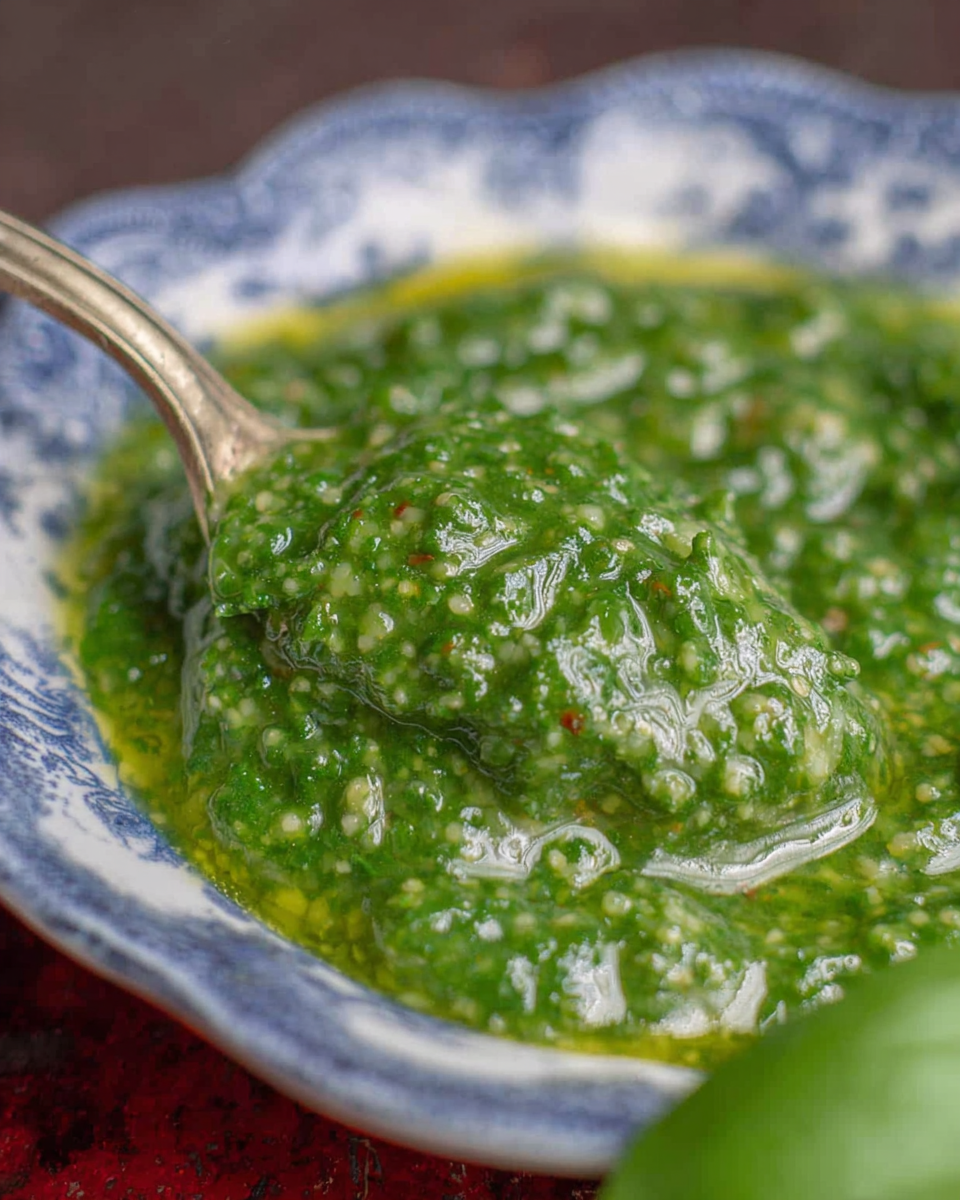
Creating exceptional pesto starts with gathering the right ingredients. You’ll need two cups of tightly packed fresh basil leaves – look for vibrant green leaves without dark spots or wilting. The garlic should be fresh and aromatic, while the pine nuts or walnuts should be toasted to golden perfection to release their oils and enhance their flavor.
The olive oil quality cannot be overstated. Choose a good extra virgin olive oil with fruity, peppery notes that will complement rather than overpower the basil. Fresh lemon juice brightens the sauce and prevents oxidation, while high-quality Parmesan cheese adds that essential umami depth. Season with kosher salt and freshly ground black pepper to taste, remembering that the Parmesan already contributes saltiness.
Step-by-Step Pesto Perfection
The preparation process for this basil pesto is straightforward but requires attention to detail. Start by setting up your workstation with boiling water and an ice bath nearby. This organization ensures the blanching process happens quickly and efficiently, preserving the basil’s quality.
When blanching the basil, timing is critical. Just 5-10 seconds in the boiling water is enough to wilt the leaves without cooking them through. The immediate transfer to ice water stops the cooking process instantly, locking in that beautiful green color. After blanching, drying the basil thoroughly is essential – any remaining water can make your pesto watery and dilute the flavors.
The blending technique also matters greatly. Pulse the basil, garlic, pine nuts, and lemon juice until broken down but still with some texture. Then, with the processor running slowly, drizzle in the olive oil to create that perfect emulsion. Over-blending can make the pesto too smooth and lose the delightful texture that makes it so appealing.
Creative Ways to Use Your Homemade Pesto
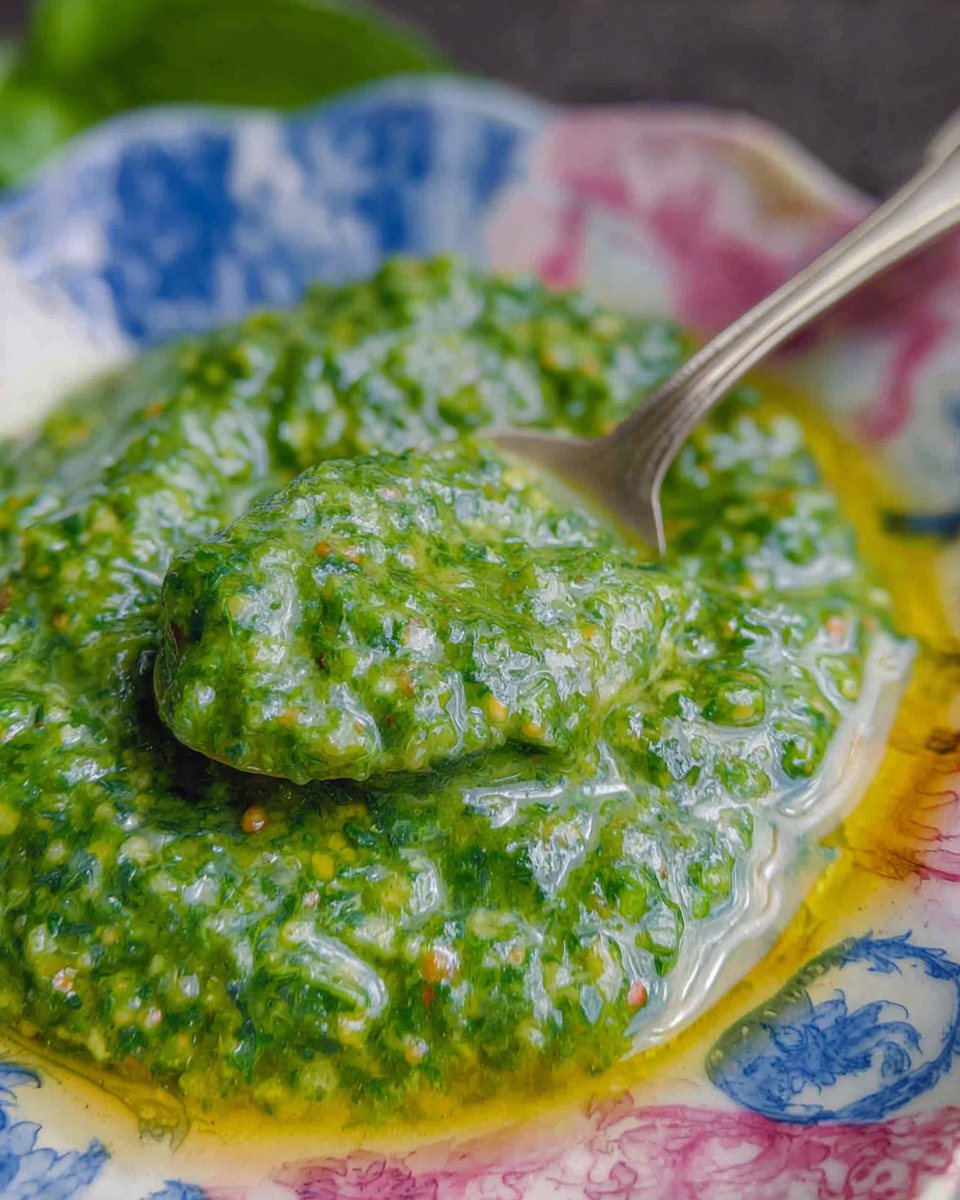
Once you’ve created this flavorful basil pesto, the culinary possibilities are endless. Toss it with freshly cooked pasta for a quick and delicious meal that feels gourmet. Spread it on homemade pita bread or crusty Italian bread for an appetizer that impresses guests. Use it as a pizza sauce alternative on your favorite cast iron skillet pizza for a fresh twist on traditional pizza night.
Pesto makes an excellent marinade for chicken or fish, infusing proteins with herbal brightness. Stir it into soups or stews for an extra layer of flavor, or mix it with mayonnaise for a flavorful sandwich spread. For a quick appetizer, spoon pesto over fresh mozzarella and tomatoes, or mix it into scrambled eggs for a breakfast upgrade.
Storage Tips for Maximum Freshness
Proper storage is key to maintaining your pesto’s vibrant color and fresh flavor. Store pesto in an airtight container in the refrigerator for up to one week. To prevent oxidation and preserve the green color, pour a thin layer of olive oil over the surface before sealing the container. This creates a barrier that protects the pesto from air exposure.
For longer storage, pesto freezes beautifully. Portion it into ice cube trays or small containers, then transfer to freezer bags. Frozen pesto will maintain its quality for up to six months. When ready to use, thaw in the refrigerator overnight or at room temperature for a few hours. The flavor may intensify slightly after freezing, which many people actually prefer.
Pesto Variations and Customizations
While classic basil pesto is perfection itself, you can create exciting variations by substituting different herbs or nuts. Try using arugula instead of basil for a peppery twist, or combine basil with mint for a refreshing summer variation. Walnuts make an excellent substitute for pine nuts, offering a richer, earthier flavor profile.
For a dairy-free version, omit the Parmesan or use nutritional yeast for a similar umami flavor. You can also add sun-dried tomatoes for a sweeter, more complex pesto, or include a handful of spinach to stretch your basil supply while maintaining the green color. These variations allow you to customize the pesto to your taste preferences and dietary needs.
Pairing Pesto with Other Recipes
This basil pesto pairs beautifully with many dishes from our recipe collection. Try it with our garlic Parmesan cheeseburger bombs for an Italian-inspired twist on burger night. The herbal notes complement the cheesy filling perfectly. Or use it as a sauce for chicken with buttered noodles, replacing the butter sauce with this vibrant pesto for a lighter, fresher version.
For vegetarian options, toss pesto with roasted vegetables or stir it into grain bowls for added flavor. It also makes an excellent dressing for potato salad or pasta salad, replacing mayonnaise-based dressings with something brighter and more herbaceous. The versatility of pesto means you’ll find countless ways to incorporate it into your cooking repertoire.
Health Benefits of Basil Pesto
Beyond its incredible flavor, basil pesto offers numerous health benefits. Basil is rich in antioxidants and anti-inflammatory compounds, while olive oil provides heart-healthy monounsaturated fats. Pine nuts contain essential minerals and healthy fats, and Parmesan cheese offers calcium and protein.
When enjoyed in moderation, pesto can be part of a balanced diet. The healthy fats from olive oil and nuts help with nutrient absorption, particularly the fat-soluble vitamins found in vegetables. Making pesto at home allows you to control the ingredients, ensuring you’re using high-quality, wholesome components without preservatives or excessive sodium.
Creating homemade basil pesto is more than just following a recipe – it’s an experience that connects you with fresh ingredients and traditional cooking techniques. The satisfaction of transforming simple components into something extraordinary is part of what makes cooking so rewarding. Whether you’re a seasoned cook or just beginning your culinary journey, this basil pesto recipe will become a staple in your kitchen, offering endless opportunities for delicious meals and creative cooking adventures.
Basil Pesto Recipe
Ingredients
Equipment
Method
- Get ready: Fill a small saucepan halfway with water and bring to a boil. Prepare a bowl of ice water and set it near your stove. Set up a food processor with the blade attachment (or get your blender all plugged in and ready).
- Briefly blanch the basil: Drop the basil leaves in the boiling water and blanch just until they’re wilted, 5 to 10 seconds. Use tongs to transfer the basil leaves to the prepared ice water. This stops them from continuing to cook.
- Dry the basil very well: Wrap the basil in paper towels. Squeeze to wring out all the water and transfer to the food processor, along with the garlic, pine nuts, and lemon juice.
- Blend: Pulse until everything has broken down into small chunks. With the processor running on low speed, slowly pour in the extra virgin olive oil. Do not run the processor too long, you want to have a little bit of texture to your basil pesto.
- Stir in the parmesan: Transfer the basil mixture to a small bowl. Add the cheese and season with salt and pepper to taste. Mix to combine. If your pesto is looking a little thicker or less smooth than you like it, add a little bit more extra virgin olive oil.
- Serve or store: Use immediately or store for later (see ‘Notes’ below for storage tips).