Gluten-Free Banana Bread Recipe
There’s something truly magical about the aroma of warm banana bread filling your kitchen. That comforting, sweet scent that promises a delicious treat is even more special when it’s a gluten-free version that everyone can enjoy. Whether you’re new to gluten-free baking or a seasoned pro, this banana bread recipe will become your go-to for a wholesome, satisfying baked good that feels indulgent without the guilt.
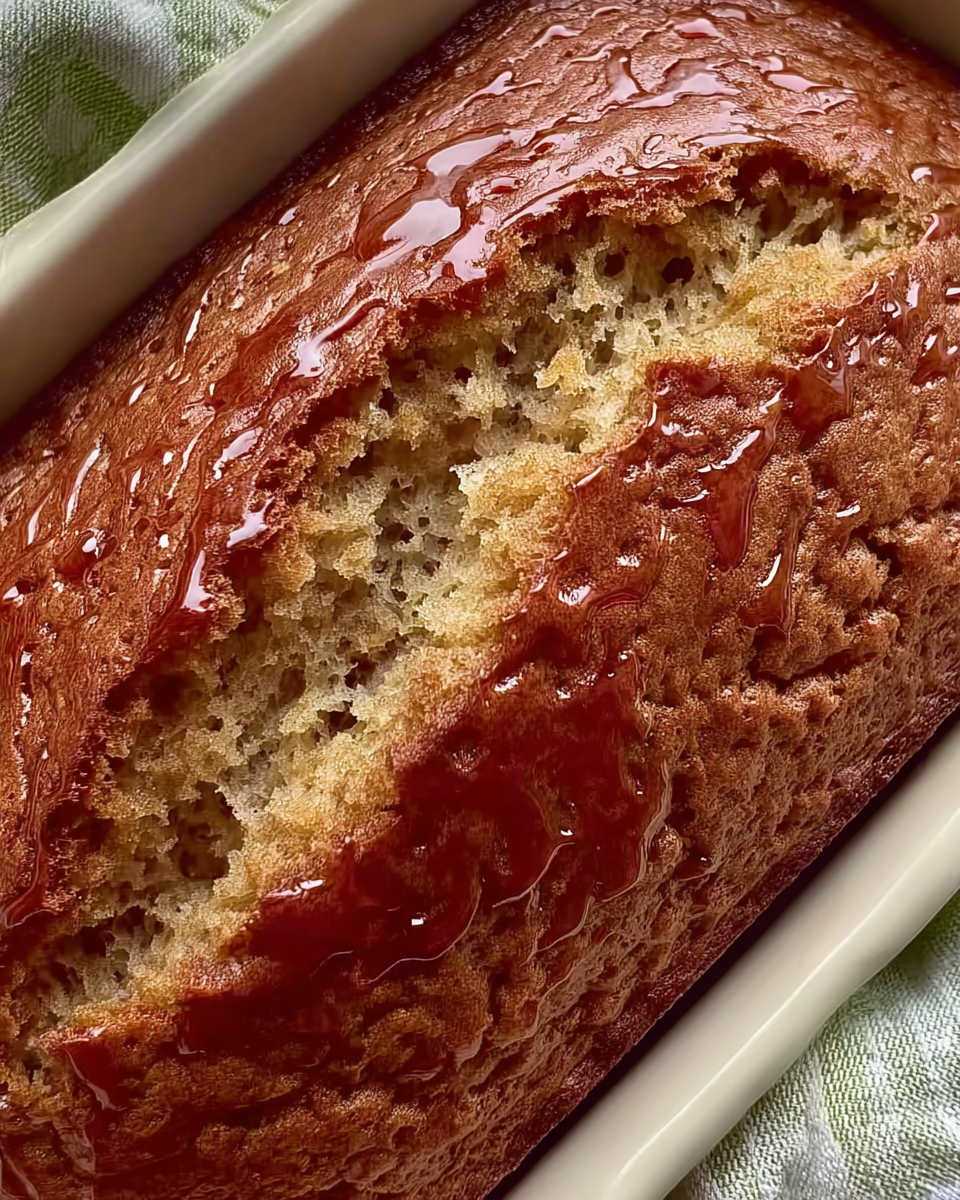
Creating the perfect gluten-free banana bread requires understanding how different flours work together. Unlike traditional wheat flour, gluten-free blends need the right combination of ingredients to achieve that tender, moist texture we all love in banana bread. The key is finding the perfect balance between structure and moisture retention.
Why Choose Gluten-Free Banana Bread?
Gluten-free baking has come a long way from the dry, crumbly versions of the past. Today’s recipes create breads that are just as delicious as their traditional counterparts. For those with celiac disease, gluten sensitivity, or simply choosing to reduce gluten intake, this banana bread offers a wonderful alternative that doesn’t compromise on taste or texture.
The beauty of banana bread lies in its versatility. It works beautifully as a breakfast option, afternoon snack, or even dessert. When you make it gluten-free, you open up this classic treat to more people while still delivering that familiar comfort food experience. The natural sweetness of ripe bananas means you can often reduce added sugars, making it a healthier choice overall.
Essential Ingredients for Perfect Gluten-Free Banana Bread
While specific ingredient lists may vary, certain components are essential for successful gluten-free banana bread. Ripe bananas are the star ingredient – the spottier and softer they are, the sweeter and more flavorful your bread will be. Most recipes call for a gluten-free flour blend, which might include rice flour, almond flour, or oat flour combinations.
Binding agents like eggs or flax eggs help hold the bread together, while healthy fats such as coconut oil or butter alternatives contribute to moisture. Sweeteners can range from maple syrup to honey or coconut sugar, and spices like cinnamon and nutmeg add that classic banana bread warmth. For those avoiding dairy, there are excellent alternatives like almond milk or coconut milk that work beautifully.
Baking Tips for Gluten-Free Success
Gluten-free baking requires a slightly different approach than traditional baking. One crucial tip is to not overmix the batter – gentle folding preserves the delicate structure. Another important consideration is baking time; gluten-free breads often need a bit longer in the oven at a slightly lower temperature to cook through without burning.
Letting the bread cool completely before slicing is essential for gluten-free versions. This allows the structure to set properly, preventing that crumbly texture that sometimes plagues gluten-free baked goods. If you’re looking for more gluten-free inspiration, check out our gluten-free protein bars for another healthy snack option.
Creative Variations to Try
The basic gluten-free banana bread recipe serves as a wonderful canvas for creativity. Consider adding chocolate chips for a decadent twist, or walnuts for crunch and healthy fats. For a tropical variation, mix in shredded coconut or diced pineapple. If you love spices, increase the cinnamon or add a pinch of cardamom for unique flavor.
For those who enjoy baking different types of bread, you might also love our guide on making pita bread at home. While it’s a different style of baking, the satisfaction of creating homemade bread is equally rewarding.
Serving Suggestions and Storage
Gluten-free banana bread is delicious served warm with a pat of butter or your favorite spread. It pairs wonderfully with coffee for breakfast or makes a satisfying afternoon snack. For dessert, try serving it with a dollop of whipped cream or a scoop of ice cream for an extra special treat.
Proper storage is key to maintaining freshness. Wrap cooled bread tightly in plastic wrap or store in an airtight container at room temperature for up to three days. For longer storage, slice and freeze individual portions for quick breakfasts or snacks. The bread also makes excellent French toast when slightly stale!
Health Benefits of Gluten-Free Banana Bread
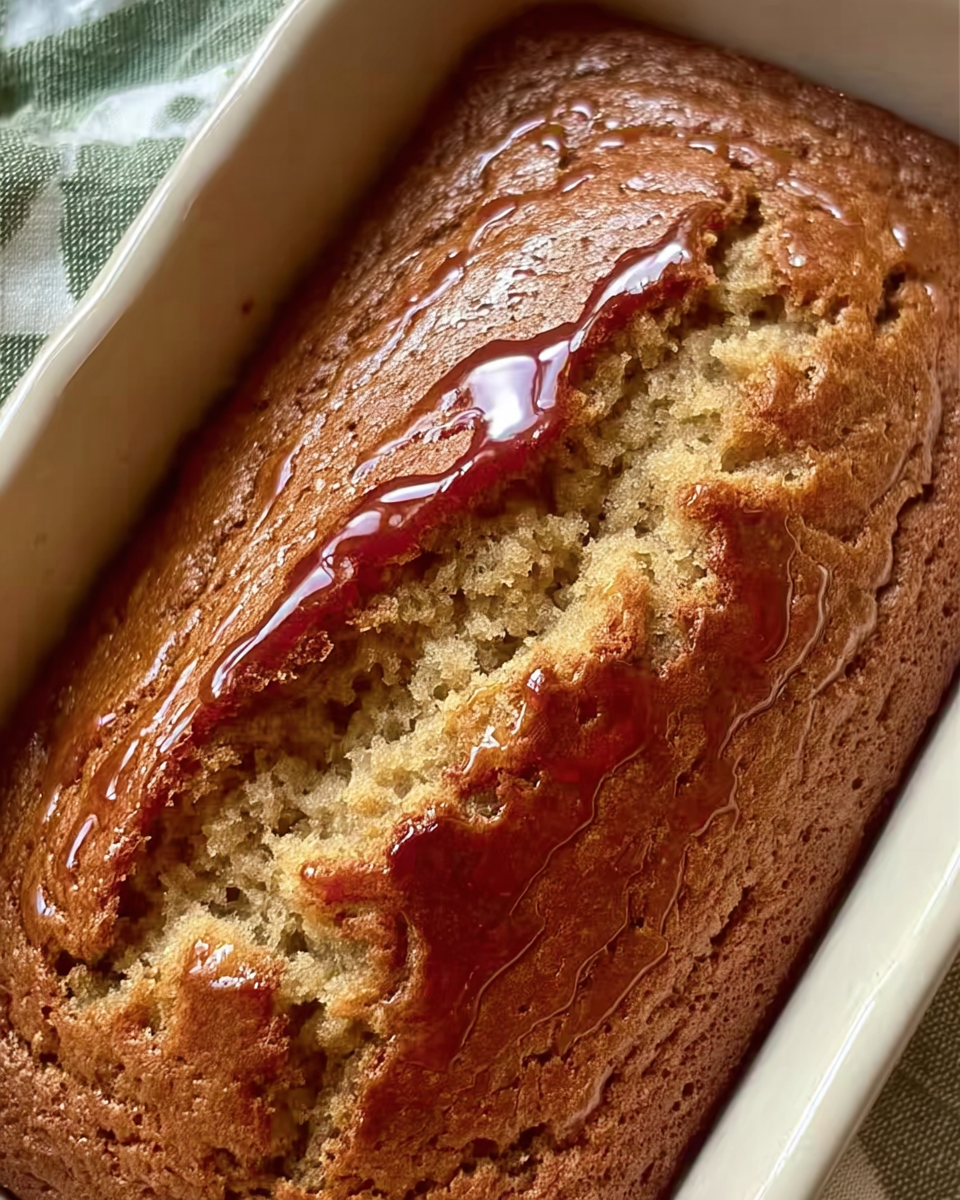
Beyond accommodating dietary restrictions, gluten-free banana bread offers several health benefits. Bananas provide potassium, vitamin B6, and fiber. When made with whole food ingredients, it can be a nutrient-dense option compared to many store-bought baked goods. Using alternative flours like almond flour adds protein and healthy fats, while reducing refined sugars supports better blood sugar balance.
If you’re exploring more healthy dessert options, our monster cookie energy balls offer another delicious way to satisfy your sweet tooth without compromising your health goals.
Troubleshooting Common Issues
Even experienced bakers can encounter challenges with gluten-free baking. If your bread turns out too dense, you might need to adjust your flour blend or add a bit more leavening agent. If it’s too dry, consider increasing the moisture content with more bananas or healthy fats. Crumbly texture often indicates the need for better binding agents or proper cooling time.
Remember that gluten-free baking is both science and art. Don’t be discouraged if your first attempt isn’t perfect – each batch teaches you something new about how the ingredients work together. For more baking inspiration, check out our cinnamon sugar blondies for another delightful treat that’s easy to customize.
Making It Your Own
The best part about gluten-free banana bread is how adaptable it is to personal preferences and dietary needs. Whether you prefer it plain and simple or loaded with mix-ins, the basic recipe serves as a reliable foundation. Experiment with different gluten-free flour blends to find your favorite combination, and don’t be afraid to adjust sweetness levels to suit your taste.
As you become more comfortable with gluten-free baking, you’ll discover that banana bread is just the beginning of a world of delicious possibilities. From muffins to cakes and beyond, the techniques you learn here will serve you well in all your gluten-free baking adventures.
Whether you’re baking for health reasons or simply exploring new culinary horizons, gluten-free banana bread offers a satisfying, delicious option that brings people together around the table. The comforting aroma, the moist texture, and the wholesome ingredients make it a recipe worth mastering and sharing with loved ones.
Gluten-Free Banana Bread
Ingredients
Equipment
Method
- Preheat oven to slightly lower temperature than traditional baking (around 325-350°F) and prepare baking pan
- Mash ripe bananas until smooth in a mixing bowl
- Combine gluten-free flour blend with spices in a separate bowl
- Gently fold wet ingredients into dry ingredients, being careful not to overmix the batter
- Pour batter into prepared pan and bake for extended time to ensure thorough cooking
- Allow bread to cool completely before slicing to let structure set properly