Fast Pizza Dough: The Ultimate Quick & Easy Homemade Recipe
There’s something truly magical about the aroma of fresh pizza dough rising in your kitchen. The anticipation builds as you watch it transform from simple ingredients into the foundation of what will soon become a masterpiece. This fast pizza dough recipe is designed for those moments when a pizza craving strikes and you want something homemade, delicious, and ready in a fraction of the time traditional recipes require.
What makes this recipe so special is its simplicity and speed. Unlike traditional pizza dough that requires hours of rising time, this version comes together quickly while still delivering that authentic pizza crust texture we all love. The secret lies in the perfect balance of ingredients and techniques that work together to create a dough that’s both fast and fabulous.
Why This Fast Pizza Dough Recipe Will Change Your Pizza Nights
Imagine being able to go from flour to pizza in under an hour. That’s the promise of this recipe, and it delivers every single time. The beauty of homemade pizza dough isn’t just about saving money or knowing exactly what goes into your food – it’s about the experience. The tactile pleasure of kneading the dough, the satisfaction of watching it rise, and the pride of serving something you made from scratch.
This recipe is perfect for busy weeknights, spontaneous pizza parties, or when you simply want the satisfaction of creating something delicious without spending hours in the kitchen. The dough is versatile enough to work with various toppings and cooking methods, making it your go-to recipe for all pizza occasions.
Essential Ingredients for Perfect Fast Pizza Dough
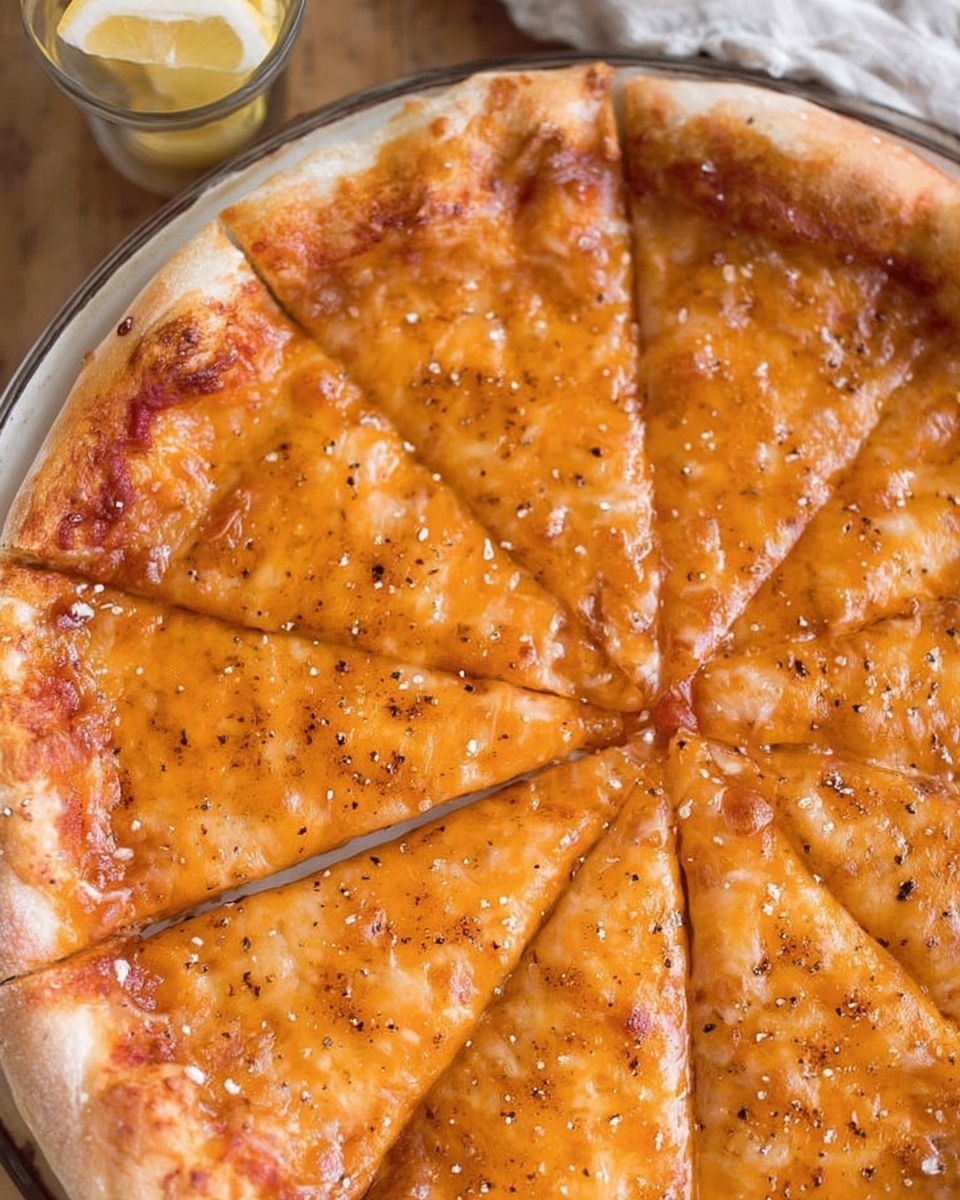
The magic of great pizza dough lies in understanding how each ingredient contributes to the final product. Flour provides the structure, yeast creates the rise, sugar feeds the yeast, salt enhances flavor, and olive oil adds richness and helps create a tender crust. The optional garlic powder and dried basil can elevate your dough to gourmet levels, infusing it with subtle flavors that complement any toppings you choose.
When selecting your flour, both all-purpose and bread flour work beautifully. Bread flour will give you a slightly chewier crust due to its higher protein content, while all-purpose flour creates a more tender result. The choice is yours based on your personal preference for crust texture. The warm water is crucial for activating the yeast properly – aim for about 110°F (43°C), which should feel warm but not hot to the touch.
The Science Behind Quick-Rising Pizza Dough
What makes this dough rise so quickly compared to traditional recipes? It’s all about the yeast activation and temperature control. Instant yeast doesn’t require proofing like active dry yeast, which saves valuable time. The warm water and warm rising environment create optimal conditions for the yeast to work efficiently. The sugar provides immediate food for the yeast, giving it the energy it needs to produce carbon dioxide quickly.
The olive oil in this recipe serves multiple purposes. It adds flavor, helps create a tender crumb, and prevents the dough from becoming too tough. The oil coating the bowl during rising creates a barrier that prevents the dough from drying out while allowing it to expand freely. This attention to detail is what separates good pizza dough from great pizza dough.
Step-by-Step Guide to Perfect Fast Pizza Dough
Begin by combining your dry ingredients in a large mixing bowl. This initial mixing ensures even distribution of the yeast, sugar, and salt throughout the flour. If you’re using the optional flavorings like garlic powder or dried basil, add them at this stage to ensure they’re evenly incorporated. The key here is thorough mixing – you want every bite of your pizza crust to have consistent flavor.
When adding the wet ingredients, use a wooden spoon to combine everything thoroughly. The wooden spoon is ideal because it doesn’t conduct heat like metal utensils might, and it provides the right amount of resistance for mixing. Gradually adding the second portion of flour allows you to control the dough’s consistency, ensuring it reaches the perfect texture without becoming too dry or too sticky.
The dough should be slightly sticky but manageable. This slight stickiness indicates that the gluten development is happening properly. As you work with the dough, you’ll notice it becoming more elastic and cohesive – this is exactly what you want. The gluten strands are forming, which will give your pizza crust that characteristic chewiness.
Perfect Rising Conditions for Quick Results
Creating the ideal environment for your dough to rise is crucial for achieving that 30-minute rise time. The olive oil-coated bowl not only prevents sticking but also creates a moist environment that helps the dough rise evenly. Covering the bowl tightly with plastic wrap traps the warmth and moisture, creating a mini greenhouse effect that accelerates the rising process.
Place your bowl in a warm spot in your kitchen – near the oven (but not on it), on top of the refrigerator, or in a sunny spot. The ideal temperature for rising is between 75-85°F (24-29°C). If your kitchen is cooler, you can create a warm environment by placing the bowl in the oven with the light on (but the oven turned off). The gentle heat from the light bulb will provide just enough warmth.
Shaping and Baking Your Perfect Pizza
Once your dough has doubled in size, the gentle deflation process is important for redistributing the yeast and creating an even texture. Light kneading helps develop the gluten further and creates a smooth surface. When shaping your pizza, you have options: use your hands for a more rustic, hand-tossed style, or a rolling pin for a uniformly thin crust.
The olive oil brushing before baking serves multiple purposes. It helps create a golden, crispy crust, prevents the dough from drying out, and adds flavor. The fork pricking technique is a professional trick that prevents large air bubbles from forming during baking, ensuring an even crust that cooks uniformly. This is especially important if you’re making a cast iron skillet pizza where even cooking is crucial.
Topping Ideas and Flavor Combinations
The beauty of homemade pizza is the endless customization possibilities. For a classic Margherita, use fresh mozzarella, basil, and tomato sauce. For something heartier, try combining this dough with ingredients from our cheesy ground beef recipes for a meat lover’s delight. Vegetarian options abound with roasted vegetables, different cheeses, and creative sauces.
If you’re looking for even faster pizza options, you might also enjoy our no-rise pizza dough recipe for those times when you need pizza in a real hurry. Both recipes have their place in your culinary repertoire, depending on how much time you have and what texture you’re craving.
Troubleshooting Common Pizza Dough Issues
If your dough isn’t rising as quickly as expected, check your yeast’s expiration date and ensure your water temperature is correct. Too hot water will kill the yeast, while water that’s too cool will slow down the rising process. If your dough is too sticky, add flour a tablespoon at a time until it reaches the right consistency. If it’s too dry, add water sparingly.
For those interested in exploring other bread-making adventures, our guide on making pita bread at home uses similar techniques and principles. The skills you develop with pizza dough will serve you well in many other baking projects.
Storing and Freezing Your Pizza Dough
This fast pizza dough freezes beautifully, making it perfect for meal prep. After the first rise, divide the dough into portions, wrap tightly in plastic wrap, and freeze for up to three months. When ready to use, thaw in the refrigerator overnight, then bring to room temperature before shaping and baking. This makes spontaneous pizza nights even easier!
The versatility of this dough extends beyond traditional pizza. Use it for calzones, breadsticks, or even as a base for creative appetizers. The skills you master with this recipe will open up a world of homemade bread possibilities, from simple weeknight dinners to impressive party offerings.
Whether you’re a pizza novice or an experienced home cook, this fast pizza dough recipe will become a trusted favorite in your kitchen. Its reliability, speed, and delicious results make it worth having in your regular rotation. The satisfaction of serving homemade pizza to family and friends is unmatched, and with this recipe, you can enjoy that experience whenever the craving strikes.
Fast Pizza Dough
Ingredients
Equipment
Method
- Combine 1 cup (125g) of flour, instant yeast, sugar, and salt in a large bowl. If desired, add garlic powder and dried basil at this point as well.
- Add olive oil and warm water and use a wooden spoon to stir well very well.
- Gradually add another 1 cup (125g) of flour. Add any additional flour as needed, stirring until the dough is forming into a cohesive, elastic ball and is beginning to pull away from the sides of the bowl.
- Drizzle a separate, large, clean bowl generously with olive oil and use a pastry brush to brush up the sides of the bowl.
- Lightly dust your hands with flour and form your pizza dough into a round ball and transfer to your olive oil-brushed bowl. Use your hands to roll the pizza dough along the inside of the bowl until it is coated in olive oil.
- Cover the bowl tightly with plastic wrap and place it in a warm place. Allow dough to rise for 30 minutes or until doubled in size. Preheat oven to 425°F (215°C).
- Once the dough has risen, use your hands to gently deflate it and transfer to a lightly floured surface and knead briefly until smooth (about 3-5 times).
- Use either your hands or a rolling pin to work the dough into 12″ circle.
- Transfer dough to a parchment paper lined pizza pan and either pinch the edges or fold them over to form a crust.
- Drizzle additional olive oil (about a Tablespoon) over the top of the pizza and use your pastry brush to brush the entire surface of the pizza (including the crust) with olive oil.
- Use a fork to poke holes all over the center of the pizza to keep the dough from bubbling up in the oven.
- Add desired toppings and bake in a 425°F (215°C) preheated oven for 13-15 minutes or until toppings are golden brown. Slice and serve.