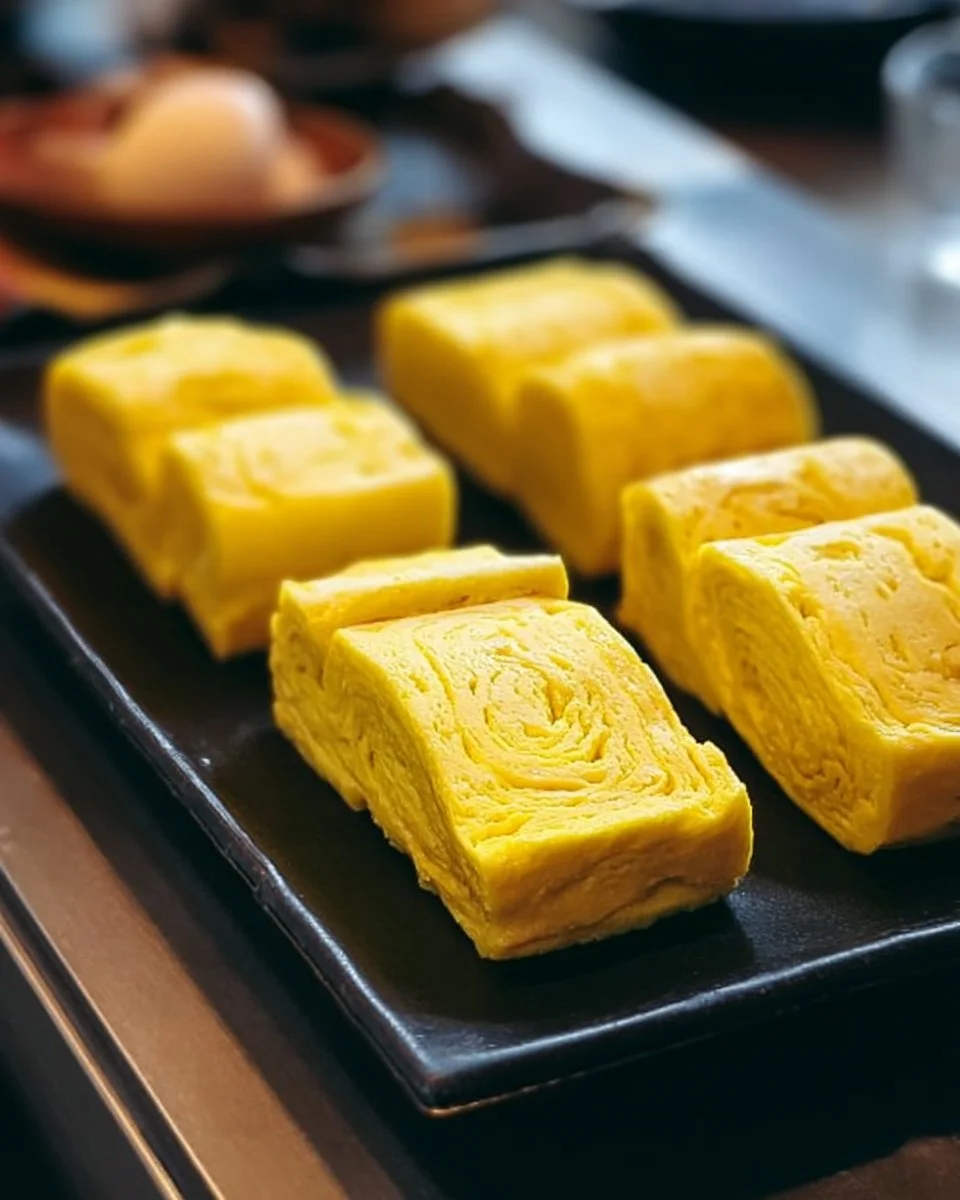
Perfect Tamagoyaki: Fluffy Japanese Omelette Made Easy
Why make this recipe
Tamagoyaki, a traditional Japanese rolled omelette, is much more than just a simple egg dish. It is a classic staple in Japanese cuisine, recognized for its fluffy texture, sweet flavor, and beautiful presentation. Many people enjoy it as part of a sushi breakfast or as a snack on its own. The beauty of tamagoyaki lies in its versatility; you can enjoy it on its own, as part of a bento box, or even in sushi rolls.
Making tamagoyaki at home not only allows you to appreciate the dish more but also provides an opportunity to experiment with flavors and textures. You can adjust the sweetness, add spices, or mix in vegetables, depending on your preference. It’s a fun cooking project that results in a delicious and visually appealing dish.
Beyond its taste, tamagoyaki is also packed with protein and nutrients, making it a great option for breakfast, lunch, or a light dinner. Learning to make this delightful omelette can elevate your cooking skills and impress family and friends. So, without further ado, let’s get into how to make perfect tamagoyaki!
How to make Perfect Tamagoyaki
Ingredients:
- 3 units Eggs (Fresh eggs for best flavor)
- 2 tablespoons Water (Adds moisture for texture)
- 0.5 teaspoon Salt (Try sea salt for cleaner taste)
- 2 teaspoons Sugar (Adjust quantity to taste)
- 1 tablespoon Vegetable Oil (Can substitute with sesame oil)
Directions:
Making the Tamagoyaki
-
Prepare the egg mixture: In a bowl, crack the fresh eggs and add the water, salt, and sugar. Whisk the mixture thoroughly until the eggs are fully combined, and the sugar and salt dissolve. Make sure there are no egg whites present and the mixture is smooth. This will ensure a fluffy texture once cooked.
-
Heat the pan: Place a tamagoyaki pan, or a small non-stick frying pan, on medium-low heat. Allow it to warm up for a minute. Pour in a small amount of vegetable oil and use a paper towel or a brush to spread it evenly across the surface of the pan. This step helps prevent the egg from sticking and gives a nice finish.
-
Cook the first layer: Once the pan is hot and the oil shimmering, pour a thin layer of the egg mixture into the pan. Tilt and swirl the pan to ensure the mixture covers the bottom evenly. Allow it to cook until the edges start to set but the center is still slightly runny – this usually takes about 30 seconds to 1 minute.
-
Roll the omelette: Using chopsticks or a spatula, carefully lift one edge of the omelette and fold it over itself. Continue to roll it toward the opposite edge of the pan, creating a log-like shape. Gently push the rolled omelette to the back of the pan once rolled.
-
Repeat the process: Add a little more oil if needed and pour another thin layer of the egg mixture into the pan, lifting the rolled omelette slightly to allow the new mixture to flow underneath. Again, allow it to cook until the edges set, then repeat the rolling process.
-
Finish cooking: Continue this process, adding layers until all the egg mixture is cooked. The final roll should be tighter than the previous ones for a beautiful shape. Once done, gently shape the formed omelette using the spatula to create a nice rectangular shape.
-
Let it cool: Remove the tamagoyaki from the pan and place it on a cutting board. Let it cool for a few minutes before slicing it into bite-sized pieces. This cooling time helps the tamagoyaki to firm up and makes slicing easier.
-
Slice and serve: Use a sharp knife to cut the tamagoyaki into even pieces that are about 1 inch thick.
How to serve Perfect Tamagoyaki
Perfectly made tamagoyaki can be served in various ways. Here are a few suggestions:
-
As Part of a Bento Box: Tamagoyaki is a classic component of a Japanese bento box. Pair it with rice, pickled vegetables, and grilled fish for a well-balanced meal.
-
With Rice: Serve warm tamagoyaki over a bed of steamed rice. Drizzle some soy sauce or add a sprinkle of furikake (Japanese rice seasoning) for extra flavor.
-
As a Snack: Enjoy it cold or at room temperature as a quick and healthy snack. It can be stored in the refrigerator and sliced when needed.
-
In Sushi Rolls: Use tamagoyaki as a filling for sushi rolls. It adds a delightful sweetness, balancing with the saltiness of soy sauce.
-
With a Dipping Sauce: Serve tamagoyaki with a dipping sauce made from soy sauce, mirin, and sesame oil for added depth of flavor.
How to store Perfect Tamagoyaki
If you have leftover tamagoyaki, storing it properly can help maintain its flavor and texture:
-
In the Refrigerator: Allow the sliced tamagoyaki to cool completely before storing it. Place it in an airtight container and keep it in the refrigerator. It can last for about 3 to 4 days.
-
For Longer Storage: If you want to store it for a longer period, tamagoyaki can be frozen. Wrap each piece tightly in plastic wrap and place them in a freezer-safe bag. When you’re ready to eat, thaw it in the refrigerator overnight and reheat gently in a pan or microwave.
Tips to make Perfect Tamagoyaki
-
Use Fresh Eggs: Fresh eggs are key to achieving the best flavor and texture. Always choose high-quality eggs for cooking.
-
Control the Heat: Keep the heat at medium-low to prevent burning. Cooking slowly allows the eggs to set evenly, creating a fluffy texture.
-
Experiment with Ingredients: Don’t be afraid to customize your tamagoyaki. Try adding finely chopped green onions, grated carrots, or even a touch of dashi broth for added umami flavor.
-
Perfecting the Roll: Practice makes perfect! If you find your first few attempts are not as tight as you’d like, keep trying. Each roll will help you improve.
-
Quality Pan: Using a non-stick or a dedicated tamagoyaki pan ensures that the omelette cooks evenly and does not stick to the surface.
Variation
While the traditional tamagoyaki recipe is sweet and savory, you can easily create variations to suit your taste:
-
Savory Tamagoyaki: For a more umami flavor, skip the sugar and add a splash of soy sauce and a sprinkle of dashi powder into the egg mixture.
-
Vegetable Tamagoyaki: Incorporate finely chopped vegetables like spinach, bell peppers, or mushrooms into the egg mixture to make it nutritious and colorful.
-
Seafood Infused: Mix in finely chopped cooked shrimp or crab meat for a seafood twist.
-
Cheese Filled Tamagoyaki: Add a slice of cheese while rolling the omelette for a cheesy version that melts beautifully inside.
FAQs
1. What makes tamagoyaki different from a regular omelette?
Tamagoyaki is distinct because it is sweet, made from a mixture of eggs, sugar, and other flavors. It’s cooked in layers and rolled to create a fluffy, layered texture, unlike the flat and folded nature of typical omelettes.
2. Can I make tamagoyaki without a special pan?
Yes, while a tamagoyaki pan is ideal, you can use a small non-stick frying pan. Just make sure it’s well oiled to prevent sticking, and use careful techniques to achieve the rolling effect.
3. What other toppings can I use besides soy sauce?
You can try toppings like ponzu sauce, sesame oil, or even sriracha for those who enjoy a bit of spice. Fresh herbs or grated daikon radish add freshness to the dish.
4. Is there a vegan version of tamagoyaki?
Yes, you can make a vegan version using chickpea flour as a substitute for eggs. Mix chickpea flour with water, season it, and cook it in the same manner as tamagoyaki.
5. Can I prepare tamagoyaki ahead of time?
Absolutely! Tamagoyaki can be made ahead and stored in the refrigerator for a few days. It’s easy to enjoy later as a snack or part of a meal.
By following this guide, you’ll be able to master the art of making the perfect tamagoyaki. This delightful dish will not only impress your family or guests but also enrich your culinary skills, making it a must-have in your recipe collection! Enjoy the process, experiment with flavors, and savor your homemade tamagoyaki!
PrintPerfect Tamagoyaki
A fluffy and sweet Japanese rolled omelette that’s a staple in Japanese cuisine, perfect for breakfast, lunch, or as a snack.
- Prep Time: 10 minutes
- Cook Time: 15 minutes
- Total Time: 25 minutes
- Yield: 2 servings 1x
- Category: Breakfast
- Method: Pan-frying
- Cuisine: Japanese
- Diet: Vegetarian
Ingredients
- 3 units Fresh Eggs
- 2 tablespoons Water
- 0.5 teaspoon Sea Salt
- 2 teaspoons Sugar
- 1 tablespoon Vegetable Oil
Instructions
- In a bowl, whisk together eggs, water, salt, and sugar until smooth.
- Heat a tamagoyaki pan on medium-low heat and coat with vegetable oil.
- Pour a thin layer of egg mixture, cooking until edges set, then roll it to one side.
- Add more egg mixture, lift the rolled omelette to allow it to flow underneath, and roll again.
- Repeat until all egg mixture is cooked, shaping the final roll tightly.
- Cool slightly on a cutting board, then slice into bite-sized pieces.
Notes
Serve in a bento box, over rice, as a snack, or in sushi rolls. Toppings like soy sauce, ponzu, or pickled vegetables pair well.
Nutrition
- Serving Size: 1 serving
- Calories: 200
- Sugar: 2g
- Sodium: 300mg
- Fat: 14g
- Saturated Fat: 2g
- Unsaturated Fat: 10g
- Trans Fat: 0g
- Carbohydrates: 2g
- Fiber: 0g
- Protein: 12g
- Cholesterol: 370mg