Perfect Soft Thick Oatmeal Cookies: The Ultimate Bakery-Style Recipe
Perfect Soft Thick Oatmeal Cookies: The Ultimate Bakery-Style Recipe
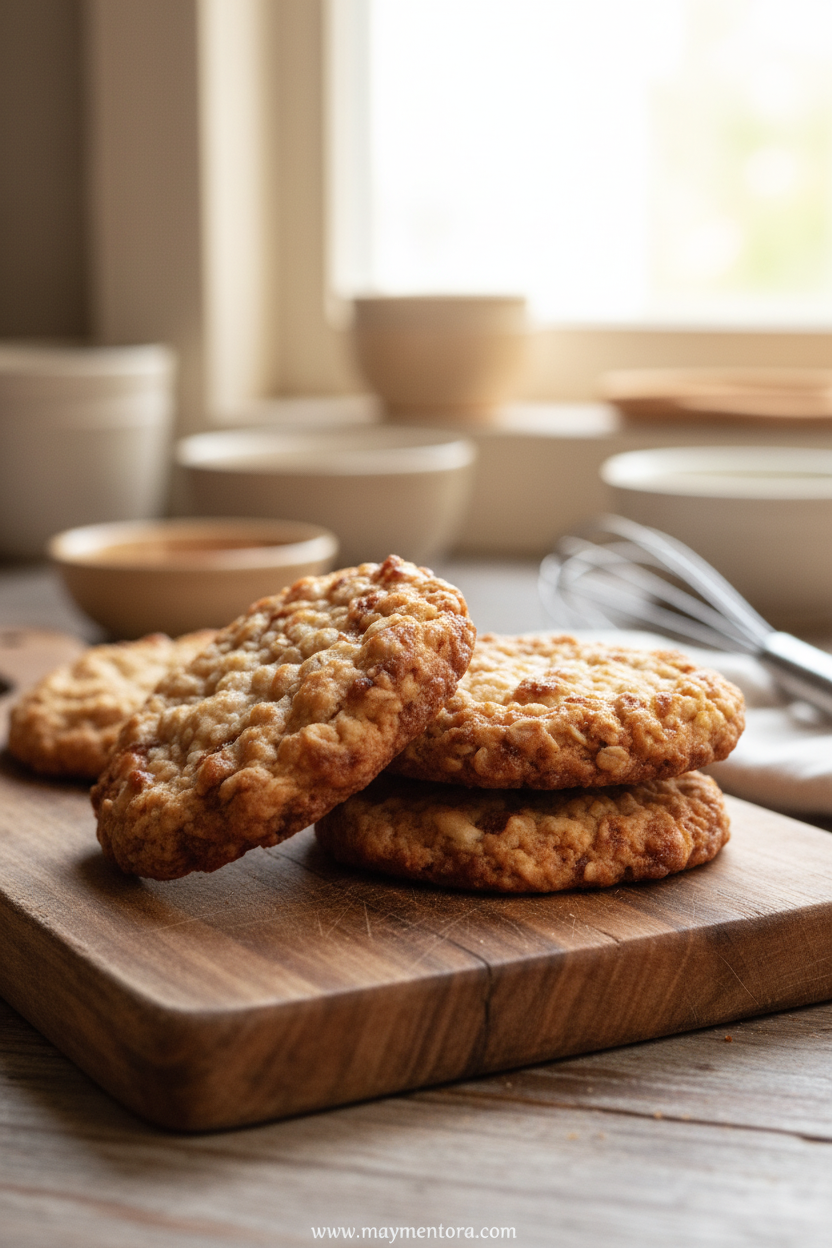
There’s something magical about a perfectly baked oatmeal cookie – thick, chewy, and soft with that irresistible golden-brown exterior. If you’ve ever wondered how bakeries achieve that perfect texture that stays soft for days, you’re about to discover the secrets. This ultimate thick oatmeal cookie recipe combines simple ingredients with expert techniques to create cookies that are truly a masterpiece of baking perfection.
What makes these cookies so special? It’s all about the balance of ingredients and the right baking method. Unlike flat, crispy oatmeal cookies, our recipe produces cookies that are substantial, chewy, and packed with flavor. They’re the kind of cookies that become instant family favorites and disappear from the cookie jar faster than you can bake another batch.
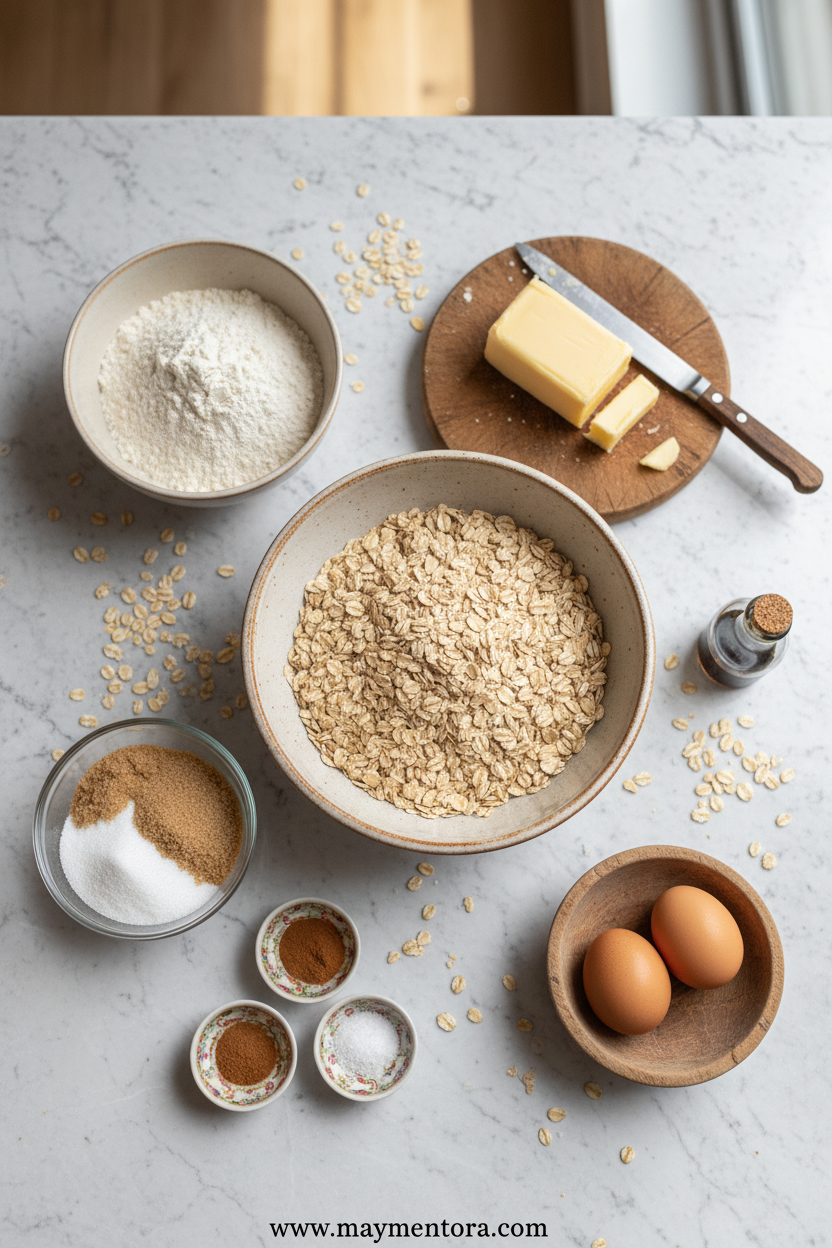
Ingredients for Perfect Thick Oatmeal Cookies
- 1 cup (2 sticks) unsalted butter, softened
- 1 cup brown sugar, packed
- ½ cup granulated sugar
- 2 large eggs
- 1 tablespoon vanilla extract
- 1½ cups all-purpose flour
- 1 teaspoon baking soda
- 1 teaspoon ground cinnamon
- ½ teaspoon salt
- 3 cups old-fashioned rolled oats
- 1 cup raisins or chocolate chips (optional)
Step-by-Step Instructions
Step 1: Prepare Your Ingredients
Start by bringing your butter to room temperature – this is crucial for proper creaming. Measure all your ingredients accurately and have them ready. Preheat your oven to 350°F (175°C) and line baking sheets with parchment paper.
Step 2: Cream Butter and Sugars
In a large mixing bowl, beat the softened butter with brown sugar and granulated sugar until light and fluffy. This should take about 2-3 minutes with an electric mixer. The creaming process incorporates air into the dough, which helps create that perfect thick texture.
Step 3: Add Eggs and Vanilla
Beat in the eggs one at a time, making sure each is fully incorporated before adding the next. Add the vanilla extract and mix until combined. Scrape down the sides of the bowl to ensure even mixing.
Step 4: Combine Dry Ingredients
In a separate bowl, whisk together the flour, baking soda, cinnamon, and salt. This ensures even distribution of leavening agents and spices throughout the dough.
Step 5: Mix Dry and Wet Ingredients
Gradually add the dry ingredients to the wet mixture, mixing on low speed until just combined. Be careful not to overmix at this stage.
Step 6: Add Oats and Mix-ins
Stir in the rolled oats and any optional mix-ins like raisins or chocolate chips. Use a spatula to fold them in gently until evenly distributed.
Step 7: Chill the Dough
Cover the bowl and refrigerate the dough for at least 30 minutes. This step is essential for thick cookies – chilled dough spreads less during baking.
Step 8: Scoop and Bake
Using a cookie scoop or tablespoon, drop rounded balls of dough (about 2 tablespoons each) onto prepared baking sheets, spacing them about 2 inches apart. Bake for 10-12 minutes, or until the edges are golden but centers still look slightly underdone.
Step 9: Cool Properly
Let cookies cool on the baking sheet for 5 minutes before transferring to a wire rack to cool completely. This allows them to set properly and develop that perfect chewy texture.
Expert Tips for Perfect Oatmeal Cookies
Use Old-Fashioned Oats: Rolled oats provide the best texture. Avoid quick oats as they can make cookies mushy.
Don’t Overbake: Cookies continue to cook on the hot baking sheet after removal from the oven. Take them out when they look slightly underdone in the center.
Chill the Dough: This is the secret to thick cookies. Chilled dough spreads less and creates that bakery-style height.
Measure Flour Correctly: Spoon flour into measuring cups and level with a knife. Packed flour can make cookies dry and cakey.
Room Temperature Ingredients: Ensure eggs and butter are at room temperature for proper emulsification and texture.
Frequently Asked Questions
Why are my oatmeal cookies flat? This is usually caused by butter that’s too soft, dough that wasn’t chilled, or overmixing. Always chill your dough and use properly softened (not melted) butter.
Can I make these cookies ahead of time? Yes! The dough can be refrigerated for up to 3 days or frozen for 3 months. You can also freeze baked cookies for quick treats.
How do I keep oatmeal cookies soft? Store cooled cookies in an airtight container with a slice of bread. The bread helps maintain moisture and keeps cookies soft for days.
Can I add nuts or other mix-ins? Absolutely! Walnuts, pecans, or dried cranberries work beautifully. Just keep total add-ins to about 1 cup.
This perfect soft thick oatmeal cookie recipe delivers bakery-quality results every time. The combination of careful ingredient selection, proper technique, and patience creates cookies that are truly a golden oatmeal delight. Whether you’re baking for family gatherings, holiday treats, or just because, these cookies are sure to become your go-to recipe for thick, chewy oatmeal perfection.
Perfect Soft Thick Oatmeal Cookies: The Ultimate Bakery-Style Recipe
Ingredients
Method
- Prepare your ingredients by bringing butter to room temperature, measuring all ingredients accurately, preheating oven to 350°F (175°C), and lining baking sheets with parchment paper.
- Cream butter and sugars in a large mixing bowl until light and fluffy (2-3 minutes with electric mixer).
- Beat in eggs one at a time, then add vanilla extract and mix until combined. Scrape down sides of bowl.
- In a separate bowl, whisk together flour, baking soda, cinnamon, and salt.
- Gradually add dry ingredients to wet mixture, mixing on low speed until just combined.
- Stir in rolled oats and any optional mix-ins like raisins or chocolate chips until evenly distributed.
- Cover bowl and refrigerate dough for at least 30 minutes.
- Scoop rounded balls of dough (about 2 tablespoons each) onto prepared baking sheets, spacing 2 inches apart. Bake for 10-12 minutes until edges are golden but centers look slightly underdone.
- Let cookies cool on baking sheet for 5 minutes before transferring to wire rack to cool completely.