Cozy French Onion Pasta: The Ultimate One-Pot Comfort Meal
Cozy French Onion Pasta: The Ultimate One-Pot Comfort Meal
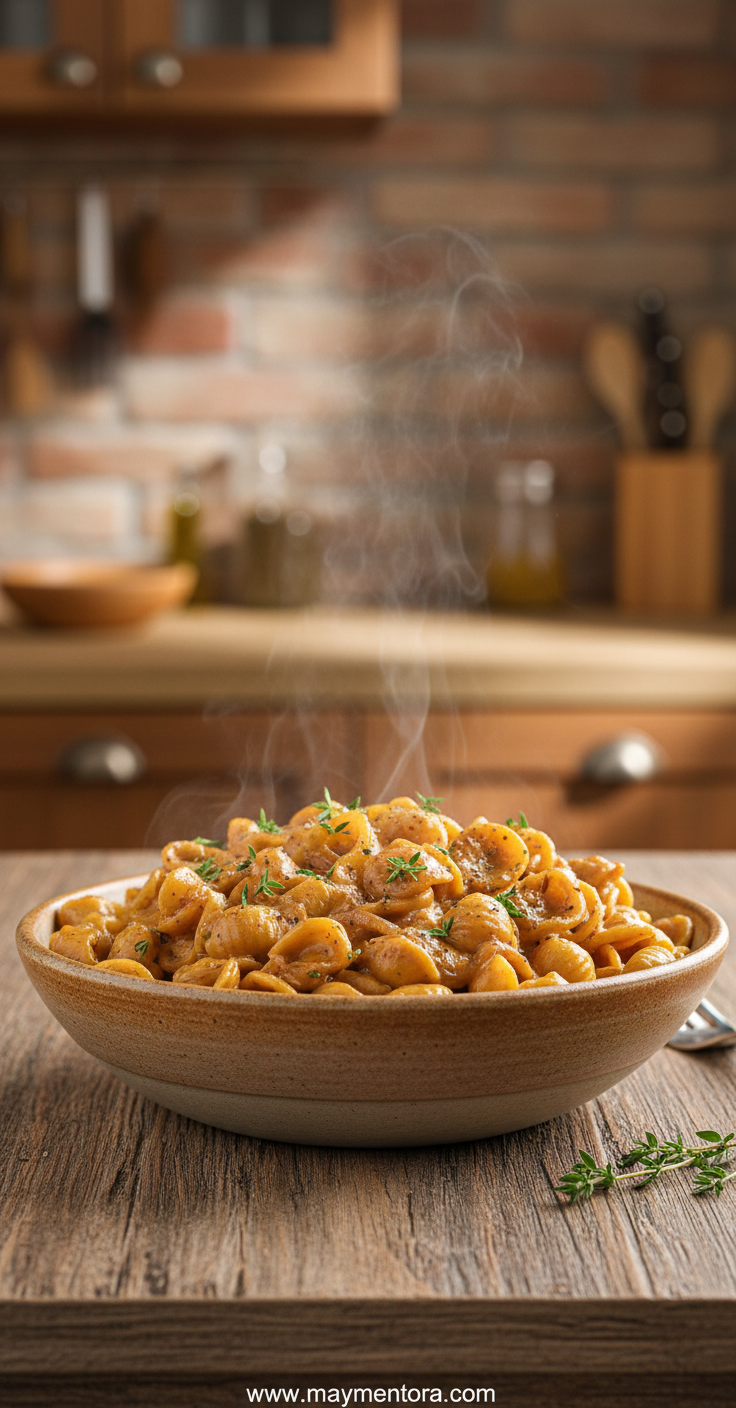
When you crave that rich, caramelized French onion soup flavor but want something more substantial for dinner, this French Onion Pasta delivers all the cozy comfort in one satisfying dish. Inspired by the classic bistro favorite, we’ve transformed those deeply caramelized onions and savory broth into a creamy pasta masterpiece that’s perfect for chilly evenings, busy weeknights, or when you need a simple yet impressive meal for three.
What makes this recipe truly special is its versatility – you can use ditalini for traditional pasta vibes, ravioli for extra indulgence, or any pasta shape you have on hand. It’s naturally cheese-free (though easily adaptable if you’re not avoiding dairy), making it perfect for those seeking dinners without cheese while still delivering incredible flavor.
Ingredients
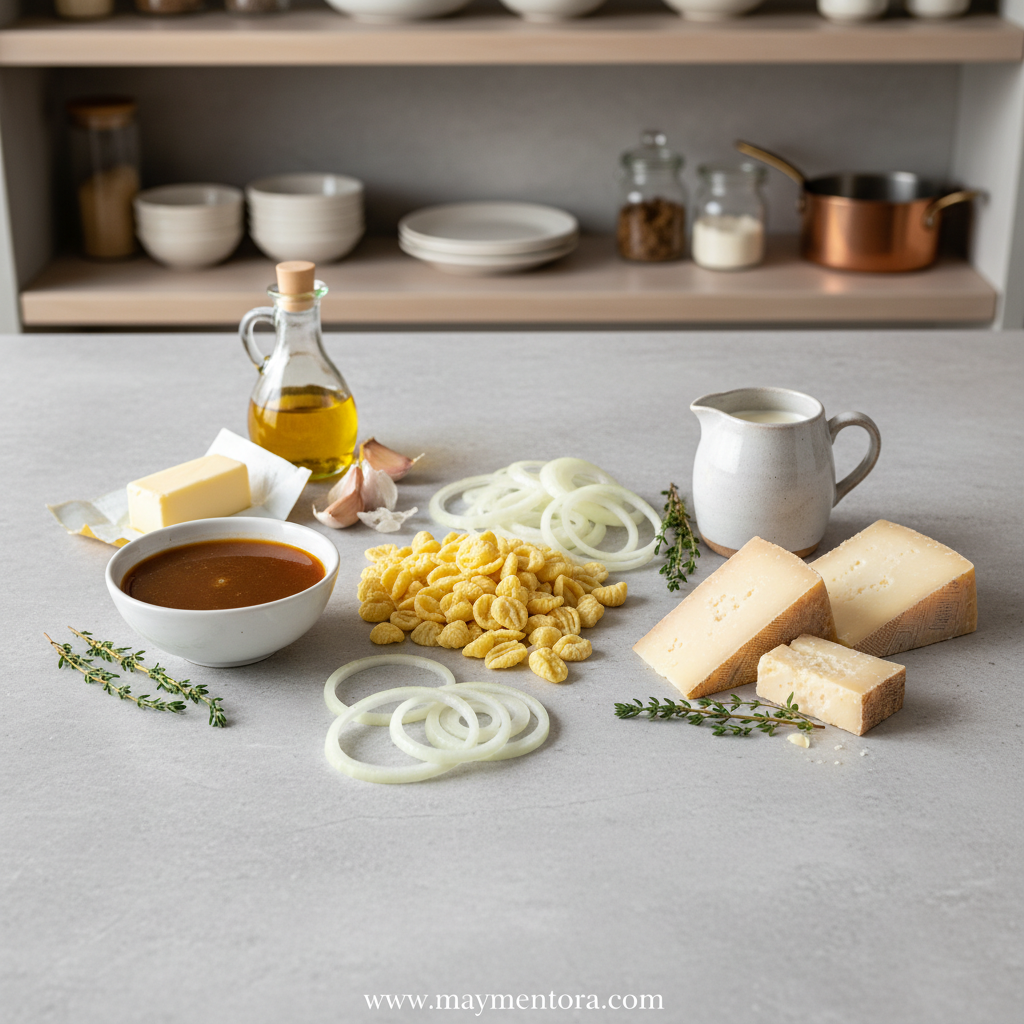
- 2 large yellow onions, thinly sliced
- 2 tablespoons olive oil
- 2 tablespoons butter
- 3 cloves garlic, minced
- 8 oz ditalini pasta or pasta of choice
- 4 cups vegetable broth
- 1 teaspoon fresh thyme leaves
- 1 bay leaf
- Salt and black pepper to taste
- Fresh parsley for garnish
Step-by-Step Instructions
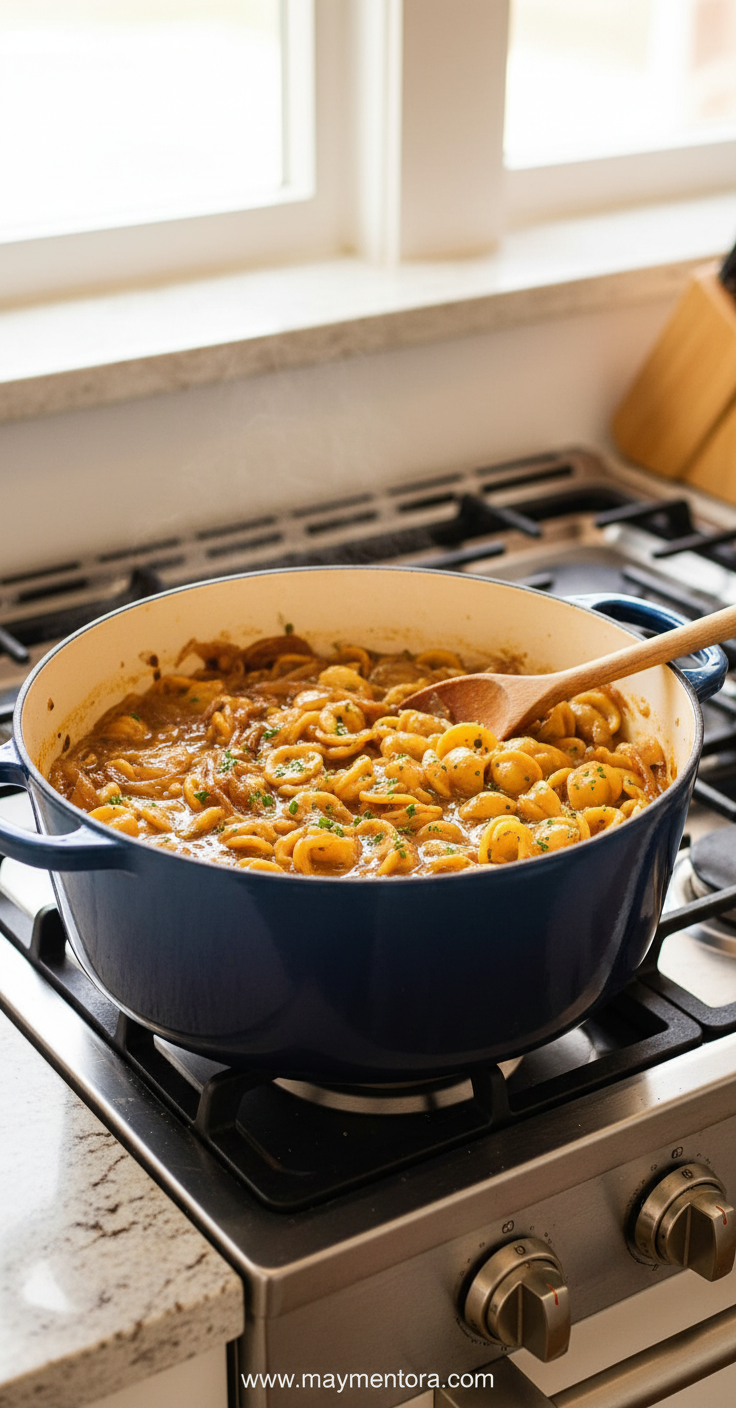
Step 1: Caramelize the Onions
Heat olive oil and butter in a large pot over medium heat. Add thinly sliced onions and cook slowly for 20-25 minutes, stirring occasionally, until they turn deep golden brown and caramelized. This slow cooking process is essential for developing that signature French onion flavor.
Step 2: Build the Flavor Base
Add minced garlic to the caramelized onions and cook for 1 minute until fragrant. Pour in the vegetable broth, scraping any browned bits from the bottom of the pot. Add thyme, bay leaf, salt, and pepper.
Step 3: Cook the Pasta
Bring the broth to a boil, then add your pasta. Reduce heat to a simmer and cook according to package directions, stirring occasionally to prevent sticking. The pasta will absorb the flavorful broth as it cooks.
Step 4: Final Touches
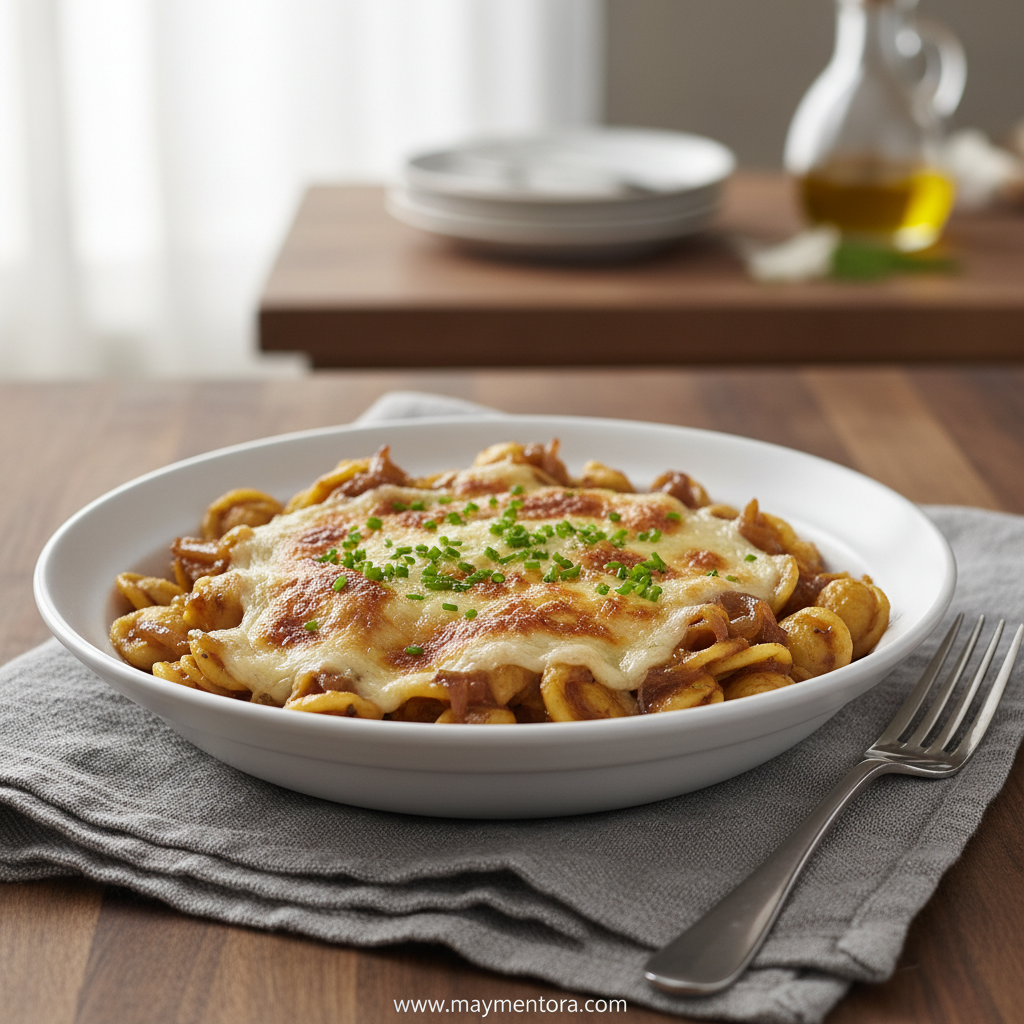
Once pasta is al dente and most of the liquid has been absorbed, remove the bay leaf. Adjust seasoning if needed. The sauce should be thick and creamy from the starch released by the pasta.
Expert Tips
- Patience with Onions: Don’t rush the caramelization process – low and slow is key for sweet, deeply flavored onions
- Pasta Variations: Ditalini works beautifully, but ravioli turns this into an extra special meal. Rotini or penne also work well
- Make it Fancy: For special occasions, add a splash of white wine to the onions after caramelizing
- For Three People: This recipe yields perfect portions for three hungry diners
- Storage: Leftovers keep well for 2-3 days and reheat beautifully
FAQ
Can I make this pasta dairy-free?
Absolutely! Simply omit the butter and use all olive oil. The recipe is naturally cheese-free, making it perfect for dairy-free diets.
What makes this a “comfy meal”?
The combination of caramelized onions, warm broth, and tender pasta creates that soul-warming comfort food experience we all crave, especially during fall.
Can I use different pasta shapes?
Yes! This recipe works with nearly any pasta shape. Smaller shapes like ditalini absorb the flavors beautifully, while ravioli adds extra indulgence.
Is this recipe budget-friendly?
Definitely! Using pantry staples like onions, pasta, and broth makes this one of our favorite cheap noodle dinners that tastes far more expensive than it is.
Cozy French Onion Pasta: The Ultimate One-Pot Comfort Meal
Ingredients
Method
- Heat olive oil and butter in a large pot over medium heat. Add thinly sliced onions and cook slowly for 20-25 minutes, stirring occasionally, until they turn deep golden brown and caramelized.
- Add minced garlic to the caramelized onions and cook for 1 minute until fragrant. Pour in the vegetable broth, scraping any browned bits from the bottom of the pot. Add thyme, bay leaf, salt, and pepper.
- Bring the broth to a boil, then add your pasta. Reduce heat to a simmer and cook according to package directions, stirring occasionally to prevent sticking.
- Once pasta is al dente and most of the liquid has been absorbed, remove the bay leaf. Adjust seasoning if needed. The sauce should be thick and creamy from the starch released by the pasta.